
Gravel Guide
Gravel
With its versatility, low maintenance, and timeless appeal, gravel has found its way into the hearts of homeowners, gardeners, and landscapers alike.
In this article, I will delve into the world of gravel landscaping, exploring the various aspects that make it a top choice for outdoor design and share some valuable insights on how to make the most of it.
Gravel landscaping is not just about the gravel itself but also about how you combine it with other elements in your outdoor space. It’s a canvas where you can paint your vision.
Whether you’re aiming for a quaint cottage garden, a contemporary urban oasis, or a naturalistic retreat, gravel can be the foundation that ties everything together.
In the sections that follow, we’ll explore the different types of gravel, the benefits it offers, installation steps, design ideas, and much more.
Types Of Gravel
Pea gravel is a popular choice for its smooth, rounded appearance. It’s excellent for pathways, garden beds, and decorative accents. Its small size and tactile appeal make it a favorite for garden enthusiasts who appreciate the soothing sound of footsteps on gravel.
Crushed stone, on the other hand, is known for its durability and versatility. It’s perfect for driveways, retaining walls, and filling in larger areas. The variety of colors and sizes available can suit a wide range of landscaping needs.
River rock is prized for its natural, water-worn appearance. It’s often used in dry riverbeds, around water features, and in Japanese-inspired gardens. The range of colors and sizes allows for creative design elements.
Decomposed granite, a finely textured gravel, is ideal for pathways and patios. Its compacted surface is stable and comfortable to walk on. It’s a cost-effective alternative to pricier paving options.
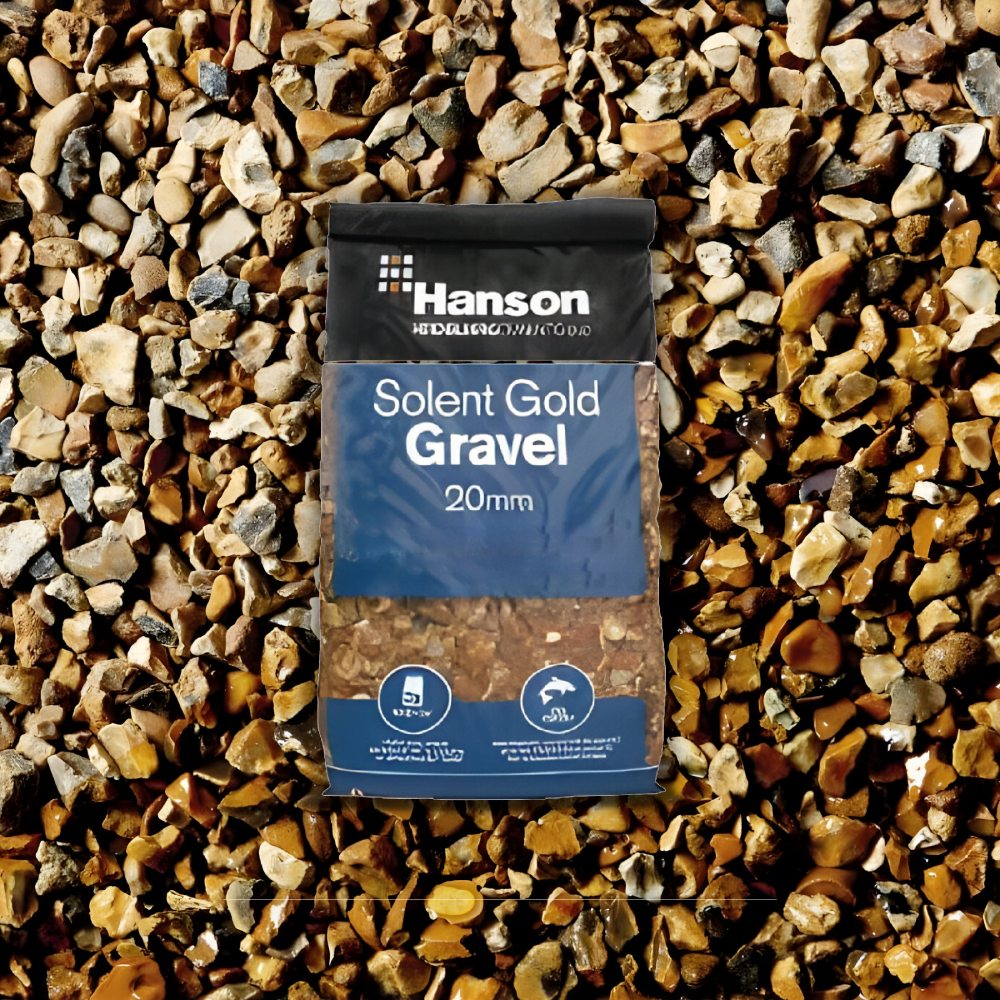
Check out our rangeof gravel and aggregates below.
Gravel / Aggregates Bag Size & Quantity
Handy Bags
The smaller handy bags are perfect for modest garden projects that require only a small quantity of aggregates.
Bulk Bags
Bulk bags typically weigh around 850kg. An 850 bulk bag is the preferred choice for more extensive garden undertakings or self-build projects.
Quantity
You can employ our user-friendly calculator to precisely determine the number of bags you should order. If you’re uncertain, don’t hesitate to reach out to our dedicated team, who will guide you through this process.
For additional details, please visit our comprehensive FAQ page.

Available For Collection Or Delivery
Our gravel/aggregates are available for both delivery and collection.
If you live local, you can collect from us where we have all of our products on display in our yard.
If you live further out or do not have the transport to collect bulk bags, then delivery will be the option for you.
We offer a fast and reliable delivery service across the West Midlands and many locations nationwide.
Delivery cost will be based on your location, and will be calculated upon checkout.
About Gravel

What Is Gravel Used For?
- Pathways: Gravel is often used to create charming garden paths and walkways.
- Driveways: Gravel driveways provide a rustic and cost-effective alternative to traditional paved surfaces.
- Patios: It can serve as a stable base for outdoor patios when paired with pavers or flagstones.
- Garden Borders: Gravel defines garden borders, acting as a barrier against encroaching vegetation.
- Landscaping Accents: Gravel is an excellent choice for decorative accents in gardens and around water features.
- Zen and Rock Gardens: It’s a key component in Zen and rock gardens, adding a serene and contemplative element.
- Dry Riverbeds: Gravel mimics the appearance of natural riverbeds and is used for erosion control.
- Xeriscaping: In drought-prone areas, gravel can be part of water-efficient xeriscape designs.
- French Drainage Systems: Gravel aids in creating effective French drainage systems for water management.
- Play Areas: Pea gravel is often used in play areas, providing a soft, cushioned surface for children.
- Fire Pits: Gravel is commonly used around fire pit areas, creating safe and attractive zones for outdoor gatherings.
- Cottage Gardens: Gravel complements the rustic charm of cottage gardens, enhancing their appeal.
- Sculpture Bases: It can serve as a stable base for outdoor sculptures and art installations.
- Erosion Control: Gravel can stabilize slopes and help prevent soil erosion in landscaping projects.
Gravel Benefits
- Cost-Effective: Gravel is an affordable landscaping material compared to alternatives like concrete or pavers.
- Low Maintenance: Once properly installed, gravel requires minimal maintenance, primarily involving occasional leveling and weed control.
- Versatile: Gravel can be used for a wide range of landscaping applications, including pathways, driveways, patios, and garden accents.
- Water Drainage: Gravel is porous, allowing rainwater to permeate the ground, preventing runoff and aiding in drainage.
- Eco-Friendly: Gravel is a natural material that doesn’t release harmful chemicals or require energy-intensive manufacturing processes.
- Durability: Some types of gravel, like crushed stone, are known for their durability and can withstand heavy use.
- Sustainability: Gravel is a naturally occurring resource, making it a sustainable choice for landscaping.
- Weed Control: Properly installed gravel can act as a barrier against weeds, reducing the need for herbicides.
- Customization: Gravel’s various types, sizes, and colors allow for customization to match the desired aesthetic.
- Permeable Surface: Gravel can be used to create permeable surfaces, reducing the risk of flooding and promoting groundwater recharge.
- Ease of Installation: Gravel landscaping projects can often be undertaken by homeowners with some DIY skills, reducing labor costs.
Gravel How To & Guides

Preparing the Ground for Gravel
1. Clear the Area: Start by removing any existing vegetation, such as grass, weeds, or old mulch. You want a clean slate to work with. This can be done by hand or with the help of herbicides if you’re dealing with persistent weeds.
2. Excavate the Site: Depending on your project, you may need to excavate the area to a certain depth. This ensures that your gravel layer will sit evenly and provides space for edging material if necessary.
3. Add Geotextile Fabric: Placing a layer of geotextile fabric over the excavated area is essential for weed control. It acts as a barrier to prevent weed growth and helps stabilize the gravel.
4. Edge the Area: For defined borders, consider using edging materials like metal, plastic, or natural stone. Edging keeps the gravel in place and prevents it from spilling onto adjacent areas.
5. Compact the Soil: To create a stable base, compact the soil. You can use a hand tamper or a mechanical compactor to ensure the ground is level and solid.
6. Install a Weed Barrier: Lay down a weed barrier fabric over the geotextile fabric to prevent weeds from growing up through the gravel.
7. Create Grading: Ensure that the ground slopes away from any structures to prevent water from pooling. Proper grading is essential for effective water drainage.
8. Add a Sub-Base: Depending on the project, a sub-base layer of crushed stone or gravel may be necessary to aid in drainage and stability.
Maintenance and Longevity
1. Weed Control: Weeds are the primary concern in gravel landscapes. Regularly inspect the area and remove any weeds that emerge. Applying a weed control fabric beneath the gravel and using herbicides can help keep weeds at bay.
2. Raking and Leveling: Over time, gravel can become uneven due to foot traffic or weather. Periodically rake and level the surface to ensure a smooth, uniform appearance.
3. Compaction: Repeated compaction, especially in high-traffic areas, helps maintain a stable surface. Consider using a mechanical compactor or hand tamper for this task.
4. Refreshing Gravel: Gravel landscapes may require periodic refreshing. As the gravel settles and compacts, you might need to add a new layer to maintain the desired thickness and appearance.
5. Drainage Maintenance: Keep an eye on the drainage channels you’ve created. Ensure they remain clear and functional to prevent water from pooling.
6. Border and Edging Maintenance: Inspect the edging and border materials to ensure they are intact and secure. Repair or replace them as needed to maintain a clean edge.
7. Seasonal Adjustments: Depending on your climate, you may need to make seasonal adjustments. For example, in colder regions, adding gravel to a driveway after snow plowing might be necessary.
8. Heavy Rain Precautions: After heavy rain, check for gravel displacement or erosion. This is especially important for areas prone to flooding.
9. Snow Removal: If you live in an area with snowfall, be cautious when shoveling or plowing near gravel surfaces to avoid unintentional removal of the gravel.
10. Periodic Cleaning: A quick wash with a hose can help remove dust and debris that accumulate over time, keeping the gravel looking fresh.
Choosing The Right Gravel
Selecting the right type of gravel is a critical decision that can significantly impact the outcome of your landscaping project. Consider the following factors when choosing gravel:
1. Purpose: Define the primary purpose of the gravel in your landscape. Are you using it for a pathway, driveway, garden bed, or decorative accent? Different purposes may require different types of gravel.
2. Aesthetic Appeal: Gravel comes in various colors and sizes. Choose a gravel type that complements the overall aesthetic of your landscape. Light-colored gravel can create a more open and airy feel, while darker gravel provides contrast.
3. Size: Gravel is available in a range of sizes, from fine sand-like particles to larger stones. Finer gravel is suitable for pathways, while larger stones are better for driveways and accent areas.
4. Durability: Consider the expected wear and tear on the gravel. For high-traffic areas like driveways, choose a durable type of gravel that can withstand the pressure.
5. Budget: Gravel costs can vary significantly depending on the type and source. Establish a budget and explore options that align with your financial constraints.
6. Local Availability: Check for gravel that is readily available in your area. Local sourcing can reduce costs and minimize environmental impact.
7. Compatibility with the Environment: Think about the environmental conditions in your area. Some types of gravel may be more suitable for areas prone to heavy rainfall, while others may work better in arid climates.
8. Maintenance Tolerance: Different types of gravel may require varying levels of maintenance. If low maintenance is a priority, opt for a type of gravel that is less likely to displace or require frequent replenishing.
9. Eco-Friendly Options: Some types of gravel, like recycled crushed concrete, offer an eco-friendly alternative. These recycled materials can be a sustainable choice.
10. Personal Preferences: Your personal tastes and design preferences should also guide your choice of gravel. Consider how the gravel will fit into the overall look and feel of your landscape.
Guides & Helpful Information
A guide on how to create a gravel path for your garden.
Click here to view the full guide
Calculate how much gravel you will need for your project.
Click here to view the full guide
Calculate how much gravel you will need for your project.
Click here to view the full guide

Calculate how much gravel you will need for your project.
Click here to view the full guide

How to create a unique outdoor space.
Click here to view the full guide

An in-depth guide to slate chippings.
Click here to view the full guide
Calculate how much gravel you will need for your project.
Click here to view the full guide
Calculate how much gravel you will need for your project.
Click here to view the full guide
Frequently Asked Questions
Is gravel landscaping suitable for all climates and regions?
Gravel landscaping can be adapted to most climates and regions, but the choice of gravel type and installation techniques may vary based on local conditions. Consider the specific demands of your area.
How often does gravel need to be replenished or refreshed?
Gravel typically lasts for several years without needing replenishment, but this can vary based on factors like usage, weather, and maintenance. Periodically refreshing the gravel may be necessary.
Can gravel be used for decorative purposes other than pathways and driveways?
Absolutely! Gravel is a versatile material that can be used for various decorative purposes, including in garden beds, around plants, or to create artistic patterns and designs.
Does gravel landscaping require professional installation?
While professional installation can ensure an optimal result, many homeowners successfully install gravel themselves with proper guidance and careful planning.
What are the best practices for weed control in gravel landscapes?
Effective weed control in gravel landscapes involves the use of weed barriers, regular weeding, and, if necessary, the application of eco-friendly herbicides. Proper installation and maintenance can also help prevent weed growth.
Related Products
Our gravel products are frequently bought together with general purpose compost, top soil and turf.