Types Of Garden Stones: Choosing The Perfect Aggregate
Explore the world of landscaping and discover the myriad ‘Types of Garden Stones’ that can breathe life and character into your outdoor haven.
In this insightful guide, we’ll take you on a journey through the enchanting realm of garden stones, unveiling their diverse forms, unique features, and how to harness their beauty to transform your garden into a captivating oasis.
From classic choices like gravel and chippings to the grandeur of large garden stones, you’ll uncover the secrets of selecting the perfect stones to suit your style and elevate your landscaping game.
Join us as we delve into the art of garden stone selection, learning about their individual strengths, applications, and the magic they bring to your green sanctuary.
Types Of Garden Stones
Gravel

Gravel, a beloved favourite, offers a vast palette of colours, sizes, and textures that can cater to the most diverse landscape designs.
From the sleek and modern Polar White to the inviting warmth of Golden Gravel, and even the earthy charm of chestnut Pea or the sophistication of Flamengo, gravel has a spectrum that suits any garden vision.
In the world of natural materials, gravel brings its unique character, varying notably in size. For expansive landscaping or driveways, the chunkier 14-20mm gravel reigns supreme, offering a robust foundation.
On the flip side, for pathways where comfort underfoot matters, the smaller and rounded Gravel 10mm is the ideal choice.
When it comes to driveways, 20mm Gravel takes the lead, thanks to its angular shape that naturally interlocks, making it not only beautiful but also practical for driving.
Now, let’s delve into the delightful advantages of gravel. Its versatility knows no bounds, fitting seamlessly into a wide array of landscaping projects. Lay it with minimal preparation, and you’ll revel in its easy maintenance. The natural knack of gravel for weed suppression is a boon for any gardener, freeing you from the relentless battle against unwanted green invaders.
But the beauty of gravel doesn’t stop there. It adds a captivating final touch to water features and wildlife ponds. Picture this: mixing and matching various gravel colours and shades to create a chic, pond-edge masterpiece. It’s all about elevating your garden aesthetic effortlessly.
So, whether you’re crafting a serene sanctuary or a vibrant outdoor haven, gravel is your trusted companion, offering not just functionality but also a touch of elegance to your landscape canvas.
Pros:
- Versatile: Gravel is incredibly versatile and can be used for pathways, driveways, or as a ground cover around plants.
- Excellent Drainage: Its permeable nature allows rainwater to seep through, reducing runoff and preventing puddles.
- Low Maintenance: Gravel is easy to maintain, requiring periodic raking and replenishment to keep it looking fresh.
- Cost-Effective: It’s often an affordable choice compared to other garden stones.
Cons:
- Movement: Gravel can shift and migrate over time, requiring occasional levelling.
- Weed Growth: Weeds may sprout through the gravel, necessitating weed control measures.
- Difficulty for Mobility Aids: It’s not the best choice for paths where wheelchairs or strollers need easy access.
Slate Chippings
Slate chippings emerge as the versatile, eco-friendly solution to elevate your garden’s aesthetics. They’re the go-to choice for enhancing various garden areas, from rockeries to ponds, borders to driveways.
What’s remarkable about 20mm Slate Chippings is their flatness, providing a comfortable and attractive surface for pathways that invite leisurely strolls.
When you opt for slate chippings, you’re not just adding beauty to your garden but also making an eco-conscious choice. These chippings are classified as recycled material, originating as by-products of roofing slate manufacturing.
This means you’re contributing to a more environmentally friendly garden space compared to using other garden stones.
Slate comes in an enticing range of natural colours, including the rich hues of plum, calming greens, deep blues, and the elegant graphite grey. The versatility of slate extends to its sizing options, offering you flexibility in design.
One of the standout advantages of incorporating slate chippings into your garden is their exceptional weed control capabilities.
By choosing slate, you’re not just creating a beautiful garden; you’re also ensuring that unwanted weeds stay at bay, giving your garden a neat and tidy appearance all year round.
Pros:
- Decorative: Chippings come in various colours and sizes, making them a decorative choice for garden borders and pathways.
- Low Maintenance: Similar to gravel, chippings are relatively low-maintenance and require periodic raking.
- Natural Appearance: They can give your garden a natural, rustic appearance.
- Weed Control: When properly installed, chippings can help suppress weed growth.
Cons:
- Sharp Edges: Some chippings can have sharp edges, which may not be suitable for play areas or high-traffic zones.
- Occasional Replacement: Over time, chippings may break down and require replenishing to maintain their appearance.
- Limited Load-Bearing Capacity: Chippings are not ideal for heavy-duty applications like driveways.
Check out our range of decorative aggregates, including slate chippings here.
Cobbles & Pebbles
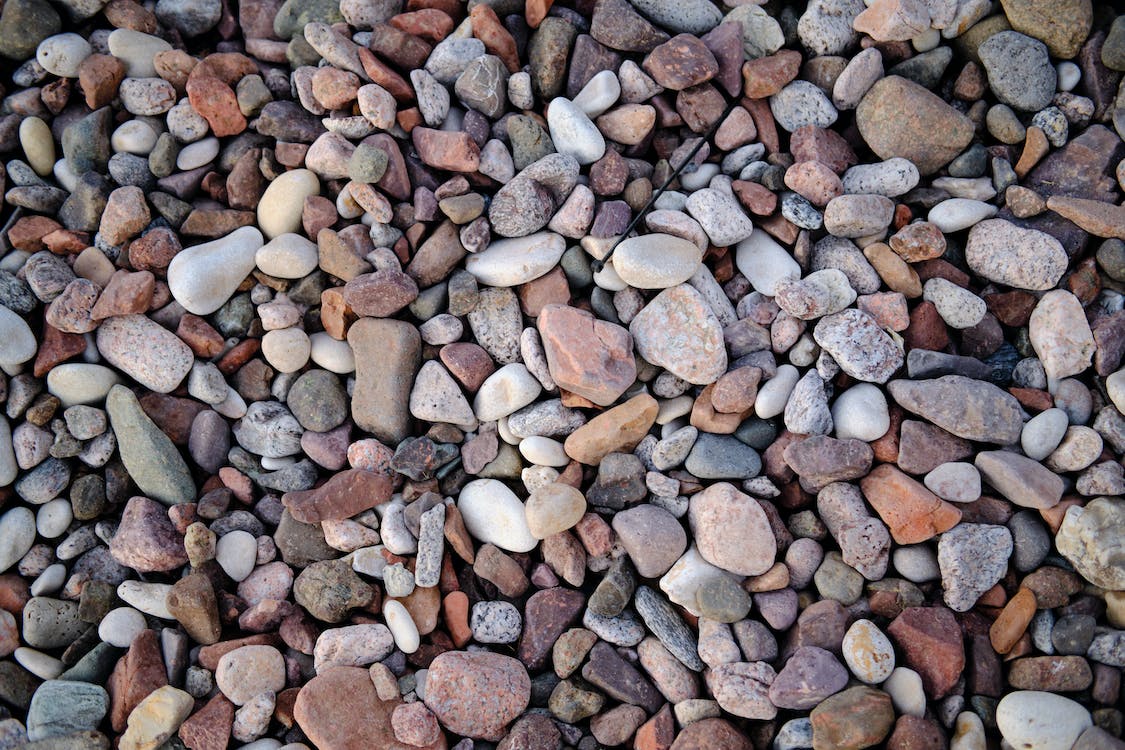
Cobbles and pebbles, these larger stones, distinguish themselves with a smooth, rounded finish, adding an element of elegance to any garden.
Picture them as the stylish, eye-catching additions that transform your outdoor space into a visual delight.
Their versatility knows no bounds, whether you’re creating a captivating rockery formation, infusing designer aesthetics into borders, accentuating the charm of ponds, aquatics, or elevating the allure of planting beds.
But where cobbles and pebbles truly shine is in stone garden water features. Their smooth texture, akin to polished gems, sparkles and glistens magnificently when kissed by water.
When it comes to sizing, pebbles typically range from 20-60mm, while cobbles step up the game with sizes ranging from 40-100mm.
The allure of these stones lies in their natural shapes, forged by the ceaseless caress of flowing water, resulting in their distinctive rounded forms.
If your garden dreams involve ornate decorative borders or the soothing presence of an attractive water feature or pond, look no further.
Cobbles and pebbles are the perfect ingredients to bring your vision to life, infusing elegance and a touch of nature into every corner of your outdoor haven.
Pros:
- Aesthetic Appeal: Cobbles and pebbles offer a visually appealing addition to your garden. Their smooth, rounded finish lends a touch of elegance and natural beauty to your outdoor space.
- Versatility: These stones are incredibly versatile. They can be used to create captivating rockeries, define borders, enhance the aesthetics of ponds and water features, or add texture to planting beds.
- Glistening Water Features: Cobbles and pebbles are particularly popular for water features due to their smooth texture. When wet, they glisten beautifully, creating an enchanting and soothing effect.
- Natural Colour Tones: Certain types, like Scottish Cobbles and Pebbles, reveal their natural colour tones when in contact with water, enhancing their beauty and appeal.
- Diverse Sizing: Pebbles typically range from 20-60mm, while cobbles come in larger sizes, ranging from 40-100mm. This diversity in sizing allows for various design possibilities.
- Natural Origins: The rounded shapes of cobbles and pebbles are a result of natural processes, where they’ve been smoothed by flowing water, adding an authentic touch to your garden.
Cons:
- Heavyweight: Cobbles and pebbles can be quite heavy, which may require additional effort during installation and make them less suitable for certain applications.
- Cost: Depending on the type and quantity, these stones can be relatively expensive compared to other landscaping materials, which might impact your landscaping budget.
- Limited Load-Bearing Capacity: While they’re excellent for decorative purposes, cobbles and pebbles are not ideal for high-traffic areas or as a foundation for heavy structures like driveways.
- Maintenance: Over time, they may shift or require levelling, especially in areas with heavy rain or foot traffic, necessitating periodic maintenance.
- Weed Growth: The gaps between cobbles and pebbles can sometimes allow weed growth, which might require weed control measures to maintain a tidy appearance.
Large Garden Stones & Feature Stones
Embrace the grandeur of your garden! A truly stunning garden is incomplete without a captivating focal point, and large garden stones are your key to achieving this splendid effect.
When we say large garden stones, we’re talking about a diverse range, from majestic boulders that command attention to artfully shaped rockery stones, mesmerizing feature stones, and even chic slate planters.
Imagine this: Your garden boasts shaded areas where the struggle to grow plants is real. Here’s where a rockery or a statement stone feature swoops in to transform that empty canvas into a masterpiece.
Boulders and rockery stones, available in an array of shapes and sizes, from jagged and angular to softly rounded, offer endless possibilities for adding character to your garden.
Part of the delightful journey of designing with large stones is the art of placement. You can opt for a single grand specimen stone that stands as a majestic soloist, drawing all eyes to its beauty.
Alternatively, you can gather a cluster of feature stones, crafting an ensemble that tells a story of texture and charm.
For an extra splash of vibrancy and texture, consider spreading decorative gravel or infusing vibrant plantings between these stately stones.
It’s all about infusing life, colour, and intrigue into your garden’s landscape.
Pros:
- Striking Focal Points: Large garden stones and feature stones can serve as stunning focal points in your garden, adding visual interest and depth.
- Customization: They allow for creative and customized landscaping designs.
- Durability: Properly placed large stones can last for generations, requiring minimal maintenance.
Cons:
- Heavy Installation: The placement of large stones typically requires heavy machinery and professional installation.
- Cost: Acquiring and installing large stones can be costly, especially for unique or rare specimens.
- Limited Usability: Large stones are best used for specific aesthetic or structural purposes rather than widespread coverage.
Choosing the Right Garden Stones
Selecting the perfect garden stones for your landscaping project requires thoughtful consideration.
The choice of stones should align with your overall design, budget, and long-term maintenance preferences.
Considerations for Selecting the Perfect Stones
Before you dive into choosing garden stones, it’s essential to evaluate your specific needs and preferences. Consider the following factors:
- Intended Use: Determine the primary purpose of the stones – for walkways, patios, borders, or decorative accents.
- Climate: Think about your local climate conditions, as some stones may be more suitable for certain environments.
- Budget: Establish a budget for your landscaping project, and explore stone options that fit within your financial constraints.
- Aesthetic Appeal: Consider the look and feel you want to achieve in your garden, whether it’s rustic, modern, or something in between.
- Maintenance: Assess how much time and effort you’re willing to invest in stone maintenance, as some materials require more care than others.
- Sustainability: If environmental considerations are a priority, research eco-friendly stone options that minimize your ecological footprint.
By carefully weighing these factors, you can narrow down your choices and make an informed decision regarding the selection of garden stones that best suit your needs and preferences.
Installation and Maintenance
Proper installation and maintenance are crucial to ensure the longevity and beauty of your garden stones. In this section, we’ll explore essential guidelines for both aspects of stone care.
Proper Installation Techniques
Installing garden stones correctly is vital to their performance and durability. Here are some key steps to consider:
- Foundation Preparation: Ensure that the base beneath the stones is well-compacted and properly graded to prevent settling and uneven surfaces.
- Edge Restraints: Use edge restraints, such as metal or plastic borders, to keep the stones in place and prevent shifting over time.
- Spacing and Alignment: Pay attention to spacing and alignment to create visually pleasing patterns and allow for proper drainage.
- Proper Bedding Material: Choose the appropriate bedding material, such as sand or gravel, to provide stability and support for the stones.
Maintaining the Beauty of Garden Stones
Maintaining the appearance of your garden stones is relatively straightforward with regular care and attention. Here are some tips for keeping them in top condition:
- Regular Cleaning: Sweep or hose down the stones regularly to remove dirt, debris, and organic matter. For stubborn stains, use a mild detergent or stone-specific cleaner.
- Weed Control: To prevent weeds from growing between the stones, consider using landscape fabric or applying an appropriate weed inhibitor.
- Sealing: Some stone types benefit from sealing to protect against staining and moisture penetration. Consult with a professional to determine if sealing is necessary for your specific stones.
- Repairing Damages: Address any cracked or damaged stones promptly to prevent further deterioration. Replacing a damaged stone can help maintain the integrity of your landscape.
Taking the time to install garden stones correctly and providing routine maintenance ensures that your outdoor space remains beautiful and functional for years to come.
Functional Uses of Garden Stones
Garden stones serve various functional purposes in landscaping, enhancing both the practicality and aesthetics of your outdoor space. In this section, we’ll explore some common uses of garden stones.
Creating Walkways and Pathways
Garden stones are often used to create charming walkways and pathways throughout your landscape.
Whether you prefer a formal brick pathway or a more natural stone-stepping path, these features add structure and guide visitors through your garden.
Pathways can be designed to highlight specific garden areas, lead to focal points, or simply provide a pleasant journey through your green oasis.
Garden stones are available in various sizes and shapes, allowing you to create patterns and designs that match your garden’s style.
Stunning Garden Borders and Edging
Garden borders and edging play a crucial role in defining different garden areas, keeping plants in check, and preventing soil erosion.
Garden stones are an excellent choice for creating borders and edging due to their durability and aesthetic appeal.
You can use larger stones to create raised flower beds or retaining walls, while smaller stones or pebbles can define the edges of your garden beds.
These borders not only add structure but also serve as a visual transition between different garden elements, enhancing the overall aesthetics of your landscape.
Stone Accents in Water Features
Water features such as fountains, ponds, and waterfalls are brought to life with the addition of garden stones. These stones create a natural look and help integrate the water feature seamlessly into your garden design.
By strategically placing garden stones in and around your water feature, you can mimic the appearance of a natural streambed or riverbank.
This not only enhances the visual appeal but also provides a habitat for beneficial aquatic plants and wildlife.
Incorporating garden stones into your landscape design not only adds functionality but also contributes to the overall beauty and ambiance of your outdoor space. Next, we’ll explore how decorative stones can infuse personality into your garden.
Adding Personality with Decorative Stones
Decorative stones are a versatile and creative way to personalize your garden and make it uniquely yours.
In this section, we’ll delve into the various ways you can use decorative stones to add character and charm to your outdoor space.
Using Pebbles and River Rocks
Pebbles and river rocks are small, smooth stones that come in a range of colours and sizes. They can be used in various creative ways, such as:
- Mulch Alternative: Replace traditional mulch with river rocks or pebbles to create a low-maintenance and visually appealing ground cover.
- Zen Garden Accents: Arrange pebbles in intricate patterns or use them to create a calming Zen garden.
- Water Feature Enhancements: Place river rocks around the base of fountains or in the bed of a pond to enhance the natural appearance of water features.
- Accentuating Planters: Use pebbles and river rocks to fill the space around potted plants or succulents, adding a polished look to your garden.
- Stepping Stones: Create whimsical pathways or stepping stone arrangements using flat river rocks that invite exploration in your garden.
The versatility of pebbles and river rocks allows you to experiment with different designs and styles, making your garden truly unique.
Decorative Stone Arrangements
Decorative stones can be artistically arranged to create eye-catching focal points or intriguing designs within your garden. Consider these creative ideas:
- Rock Gardens: Craft a captivating rock garden with a variety of stones, showcasing different shapes, sizes, and textures. Combine them with drought-tolerant plants for a low-maintenance and visually striking garden.
- Mosaic Art: Break larger stones into smaller pieces and use them to create intricate mosaic designs on garden walls, planters, or garden furniture.
- Stone Sculptures: Commission or create your own stone sculptures to serve as captivating focal points within your garden. These can range from abstract sculptures to animal figures, adding personality to your outdoor space.
Decorative stone arrangements allow you to express your creativity and infuse your garden with a sense of artistry and wonder.
Incorporating Sculptures and Focal Points
Garden stones can complement other artistic elements, such as sculptures and garden ornaments.
When strategically placed, stones can draw attention to these focal points and enhance their visual impact.
Consider placing stones around a sculpture’s base or creating a stone pedestal to elevate the artwork. This not only highlights the sculpture but also grounds it within the natural landscape.
Garden stones can also be used to frame and accentuate other ornamental elements, such as birdbaths, trellises, or outdoor seating areas.
By incorporating decorative stones and artful arrangements, you can infuse personality and charm into your garden, making it a reflection of your unique style and preferences.
Environmental Considerations
As stewards of the environment, it’s essential to consider the ecological impact of your landscaping choices. In this section, we’ll explore environmentally friendly options when it comes to garden stones.
Eco-Friendly Stone Choices
If you’re passionate about sustainability, there are eco-friendly stone choices that align with your values. These options include:
- Reclaimed Stones: Opt for reclaimed or salvaged stones from demolition sites or historical buildings. Repurposing these stones not only reduces waste but also adds character and history to your garden.
- Local Stone Sourcing: Choose stones that are sourced locally to reduce the environmental footprint associated with long-distance transportation. Local stones are often readily available and can support regional economies.
- Recycled Materials: Consider using recycled stone products, such as crushed concrete or recycled glass aggregate, as sustainable alternatives for pathways and landscaping features.
By selecting eco-friendly stone options, you can minimize the environmental impact of your landscaping project while still enjoying the beauty and functionality of garden stones.
Permeable Pavers for Sustainable Landscaping
Permeable pavers are an environmentally responsible choice for hardscaping elements like driveways and patios.
These pavers allow rainwater to seep through the gaps between stones, reducing runoff and helping recharge groundwater.
The environmental benefits of permeable pavers include:
- Storm water Management: Permeable pavers help mitigate flooding and erosion by allowing rainwater to infiltrate the ground slowly.
- Water Quality Improvement: They filter out pollutants from rainwater, enhancing water quality as it returns to the soil.
- Sustainable Landscaping: Permeable pavers promote sustainable landscaping practices by supporting healthy soil and vegetation.
Incorporating permeable pavers into your garden design is a proactive step towards sustainable and environmentally conscious landscaping.
Garden Stone Safety
Safety should be a top priority when using garden stones in your outdoor space, especially if your garden is frequented by children and pets.
In this section, we’ll explore safety measures to consider.
Non-Slip Solutions for Pathways
Slippery pathways can pose a safety hazard, particularly during wet or icy conditions. To prevent slips and falls, consider the following non-slip solutions:
- Textured Surfaces: Choose garden stones with textured surfaces or those specifically designed for slip resistance. These stones provide better traction underfoot.
- Anti-Slip Coatings: Apply anti-slip coatings or treatments to existing stone surfaces to enhance their grip.
Prioritizing non-slip solutions ensures that your garden remains safe for everyone, even in adverse weather conditions.
Child and Pet-Friendly Stone Options
When designing your garden, it’s crucial to select stones that are safe for children and pets. Some considerations include:
- Smooth Edges: Opt for garden stones with smooth edges to prevent injuries from sharp corners or edges.
- Non-Toxic Materials: Ensure that the stones you choose are non-toxic and safe for accidental contact or ingestion by children and pets.
- Securely Installed Stones: Properly install garden stones to prevent tripping hazards or loose stones that could pose a risk.
Creating a safe environment within your garden allows everyone, including children and pets, to enjoy the outdoor space without worry.
Fire-Safe Stones for Outdoor Cooking Areas
If your garden includes an outdoor kitchen or cooking area, it’s essential to select fire-safe stones.
These stones can withstand high temperatures without cracking or deteriorating, ensuring your outdoor cooking experience remains safe and enjoyable.
Popular fire-safe stone options include natural stones like granite and certain types of concrete pavers designed for use in outdoor kitchens.
Be sure to consult with a professional when designing outdoor cooking areas to ensure compliance with safety standards.
Prioritizing safety in your garden design ensures that your outdoor space remains a haven of enjoyment for everyone, free from potential hazards.
The Psychology of Garden Stones
The choice of garden stones goes beyond aesthetics; it can also impact the emotional atmosphere of your outdoor space.
In this section, we’ll delve into the psychology of garden stones and how they can influence the mood and ambiance of your garden.
Emotional Impact of Stone Selection
The type, colour, and arrangement of garden stones can evoke specific emotions and feelings within your garden. For example:
- Tranquillity: Soft, muted colours and gentle curves in stone pathways can create a sense of calm and relaxation.
- Elegance: Rich, dark stones and symmetrical patterns can evoke a feeling of sophistication and luxury.
- Playfulness: Brightly coloured pebbles and irregular arrangements can add a playful and whimsical touch to your garden.
By understanding the emotional impact of stone selection, you can intentionally design your garden to elicit the desired feelings and moods, enhancing your overall outdoor experience.
Creating a Tranquil Oasis with Stones
For many, a garden serves as a sanctuary, a place to escape the stresses of daily life. Garden stones play a pivotal role in creating a tranquil oasis within your outdoor space. Consider the following design elements:
- Water and Stones: The combination of water features, such as ponds or fountains, with carefully placed stones can create a soothing and serene atmosphere.
- Zen Gardens: Embrace the principles of Zen gardening by using simple arrangements of stones, gravel, and minimalistic plantings to cultivate a sense of inner peace.
- Seating Areas: Design cosy seating areas amidst your garden, using stone benches or natural stone as seating. This invites contemplation and relaxation.
The harmonious integration of garden stones into your landscape design can provide a haven of tranquillity, allowing you to escape the hustle and bustle of everyday life and find solace in your garden.
Stones as a Reflection of Your Personality
Your choice of garden stones can be a reflection of your personality and style.
Just as art and décor in your home reveal your tastes, the stones in your garden can convey your unique identity.
For instance:
- Bold and Creative: If you’re adventurous and creative, consider incorporating unusual stone shapes and colors into your garden design, making it a bold expression of your personality.
- Classic and Timeless: If you prefer timeless elegance, opt for traditional stone choices like granite or brick pavers, creating a garden that exudes classic charm.
- Minimalistic and Zen: A penchant for simplicity and inner calm might lead you to create a Zen-inspired garden with carefully selected stones and minimalistic elements.
Expressing your personality through your garden allows you to connect with your outdoor space on a deeper level, making it a place of personal significance and comfort.
Inspiring Garden Stone Ideas
To spark your creativity and inspire your garden stone projects, let’s explore a few enchanting garden design ideas that incorporate various types of stones.
Japanese Zen Gardens with Stone Features
Create a serene and meditative retreat with a Japanese Zen garden. Use smooth river rocks, carefully raked gravel, and strategically placed stones to symbolize elements like islands and mountains.
Add a central stone lantern or a bamboo water feature to complete the Zen ambiance.
A Japanese Zen garden is a perfect sanctuary for mindfulness and contemplation, offering a space for inner peace and tranquillity.
Mediterranean-Inspired Stone Courtyards
Embrace the allure of the Mediterranean by designing a stone courtyard reminiscent of Southern Europe.
Use rustic limestone or tumbled travertine to create an old-world charm. Plant aromatic herbs like lavender and rosemary in between the stones, infusing the air with delightful scents.
A Mediterranean-inspired stone courtyard provides a cosy and inviting space for al fresco dining and leisurely gatherings.
English Cottage Gardens with Cobblestone Paths
Capture the romantic essence of an English cottage garden with cobblestone pathways and borders. Cobblestones, with their irregular shapes and aged appearance, lend a timeless and charming character to your garden.
Plant a profusion of colourful flowers to complement the rustic stone surfaces.
An English cottage garden exudes warmth and nostalgia, offering a welcoming retreat filled with the beauty of nature.
Budget-Friendly Garden Stone Projects
Landscaping on a budget doesn’t mean compromising on style and quality. In this section, we’ll explore budget-friendly garden stone projects that allow you to transform your outdoor space without breaking the bank.
DIY Stone Projects for Small Budgets
If you have a limited budget, consider these do-it-yourself (DIY) stone projects:
- DIY Stone Pathways: Create charming garden pathways by collecting free or low-cost stones from local sources, such as construction sites or friends’ yards. Arrange them in an appealing pattern to guide visitors through your garden.
- Stone Mulch: Replace traditional mulch with small, local stones or pebbles. Not only is this cost-effective, but it also reduces the need for frequent mulch replacement.
- Stone Borders: Use rocks or stones found in your area to create natural garden borders. These can define garden beds and enhance your landscape without the expense of purchased materials.
These DIY projects are not only budget-friendly but also allow you to infuse your garden with a personalized touch.
Repurposing Old Stones for New Beauty
Repurposing old or salvaged stones is an eco-friendly and budget-conscious way to enhance your garden:
- Reclaimed Stones: Scout for reclaimed stones from demolition sites or local salvage yards. These stones often come at a fraction of the cost of new ones and add character to your garden.
- Reused Pavers: If you have old pavers or bricks lying around, consider repurposing them for a new project. Cleaning and arranging them creatively can breathe new life into your garden.
Repurposing old stones not only saves you money but also contributes to sustainable landscaping practices.
Saving Money Without Compromising Quality
To save money without sacrificing quality, consider the following tips:
- Comparison Shopping: Compare prices from different suppliers to find the best deals on garden stones.
- Buy in Bulk: Purchasing stones in bulk can often lead to cost savings. Consider teaming up with neighbors or friends for bulk purchases.
- Mix and Match: You can achieve a unique and budget-friendly look by combining different types of stones creatively. Mix natural stones with man-made pavers to create visually appealing contrasts.
With a little creativity and strategic planning, you can create a beautiful garden that suits your budget and reflects your style.
Working with a Professional
While DIY projects are satisfying, some garden designs may require the expertise of a professional landscaper or stone mason.
In this section, we’ll explore when to consult an expert and how they can help turn your vision into reality.
When to Consult a Landscaping Expert
Consider consulting a landscaping expert when:
- Your Project Is Complex: If your garden design involves intricate stonework, multi-level terraces, or extensive hardscaping, a professional can ensure structural integrity and aesthetic appeal.
- You Need Permits: Some landscaping projects require permits or compliance with local building codes. A professional can guide you through the permitting process.
- Large-Scale Projects: For substantial projects that involve heavy machinery, extensive excavation, or drainage solutions, a professional ensures safety and efficiency.
- Time Constraints: If you have limited time for your landscaping project, hiring professionals can expedite the process and deliver faster results.
Collaborating with Stone Masons and Designers
Stone masons and landscape designers are valuable partners in creating a stunning garden. Here’s how they can assist you:
- Expertise: Stone masons are skilled in working with stone materials, ensuring precise installation and a polished finish.
- Design Vision: Landscape designers can translate your ideas into a cohesive and aesthetically pleasing garden plan.
- Project Management: Professionals can manage the logistics of your project, including sourcing materials, coordinating labor, and adhering to timelines.
Collaborating with experts can streamline the landscaping process and guarantee a successful outcome that aligns with your vision.
Frequently Asked Questions (FAQs)
FAQ 1: Can I mix different types of garden stones in my landscaping project?
Absolutely! Mixing different types of garden stones can add visual interest and depth to your landscaping. Just be sure to consider factors like colour, texture, and durability to create a harmonious blend. Experimenting with various stones can lead to stunning and unique results.
FAQ 2: How do I prevent weeds from growing between the stones?
To prevent weeds, consider using landscape fabric or a weed barrier beneath the stones. This will hinder weed growth while allowing water to drain. Additionally, applying an appropriate weed inhibitor or regularly maintaining the spaces between the stones can help keep weeds at bay.
FAQ 3: Are natural garden stones more expensive than man-made options?
The cost of garden stones can vary widely based on factors such as the type of stone, its source, and your location. In general, natural stones like granite and limestone may be more expensive than man-made options like concrete pavers. However, the durability and timeless beauty of natural stones can make them a worthwhile investment.
FAQ 4: What should I consider when choosing the colour of garden stones?
When selecting stone colours, think about the overall aesthetics of your garden. Lighter-coloured stones can create a bright and open feel, while darker stones add depth and warmth.
Consider how the stone colour complements the surrounding plants and structures to achieve a harmonious look.
FAQ 5: Can I use garden stones in a small urban garden?
Absolutely! Garden stones are versatile and can be adapted to fit any size garden, including small urban spaces.
In fact, they can visually expand the space by creating defined pathways, borders, or seating areas. Choose stones that suit the scale of your garden to maximize its functionality and charm.
Types Of Garden Stones Conclusion
In conclusion, our exploration of ‘Types of Garden Stones’ has unveiled a rich tapestry of choices to adorn your outdoor paradise.
From the versatility of gravel and chippings to the grandeur of large garden stones, we’ve journeyed through the realm of landscaping possibilities.
You’ve discovered the distinctive qualities of each stone, their ideal applications, and how they can weave magic into your garden’s design.
As you embark on your landscaping journey, armed with this newfound knowledge, remember that the choice of garden stones is not just about aesthetics but also about crafting an environment that suits your unique vision.
So, whether you’re seeking practicality, elegance, or a touch of grandeur, these ‘Types of Garden Stones’ offer you the palette to paint your outdoor masterpiece.
Now, it’s time to roll up your sleeves and bring your garden dreams to life.
Select your stones with purpose, design with creativity, and watch as your green sanctuary flourishes with the charm of these garden stones, each telling its own story of beauty and allure.
47 Low Maintenance Plants That Thrive in The Sun
Looking to transform your outdoor space into a sunlit haven? If you’re on the hunt for plants that thrive in the sun, you’ve landed in the right spot.
Welcome to a comprehensive guide where we unveil 47 exceptional low-maintenance plant varieties that not only endure, but truly flourish under the radiant embrace of the sun.
Imagine a garden teeming with life, vibrant hues, and dynamic textures – all while requiring minimal upkeep. That’s the magic these sun-loving wonders bring to the table.
Whether you’re a seasoned gardener seeking to simplify your landscape or a newbie ready to embark on your green journey, these plants have your back, demanding less attention and offering more natural magnificence.
Say farewell to the woes of constant pruning and intricate care routines. With this curated selection of sun-thriving champions, you’ll unlock the secret to a stunning garden that practically tends to itself.
So, gather your gardening gear and prepare to delve into a world where the sun’s energy meets nature’s resilience.
Plants That Thrive in The Sun
1. Abelia
- Botanical Name: Abelia
- Sun Exposure: Full to Partial Sun
- Soil Type: Well-draining
- Soil pH: Neutral to slightly acidic
Abelias are versatile shrubs known for their attractive foliage and delicate, tubular flowers. They thrive in a variety of settings and make excellent additions to borders, hedges, or as standalone specimens.
The plant’s abundant flowers attract pollinators, adding a lively touch to your garden.
2. Angelonia
- Botanical Name: Angelonia
- Sun Exposure: Full Sun
- Soil Type: Well-draining
- Soil pH: Neutral
Angelonia, also called “Summer Snapdragons,” brings vibrant spikes of colour to your garden during warm months.
These heat-tolerant plants are excellent for beds, borders, and containers, and they attract butterflies while being resistant to deer and rabbits.
3. Azalea
- Botanical Name: Rhododendron
- Sun Exposure: Part Shade to Shade
- Soil Type: Well-draining, Moist
- Soil pH: Acidic (4.5-6.0)
Azaleas are renowned for their stunning clusters of flowers in a range of hues.
These acid-loving shrubs thrive in woodland gardens, and their spring blooms bring an enchanting charm to shaded areas.
4. Bearded Iris
- Botanical Name: Iris germanica
- Sun Exposure: Full Sun
- Soil Type: Well-draining
- Soil pH: Neutral to slightly alkaline
Bearded irises showcase striking, sword-like leaves and exquisite, intricate flowers.
Their bold colours and intricate patterns make them ideal for adding dramatic flair to borders, and they thrive in sunny locations with well-draining soil.
5. Black-eyed Susan
- Botanical Name: Rudbeckia
- Sun Exposure: Full Sun
- Soil Type: Well-draining
- Soil pH: Neutral to slightly acidic
Black-eyed Susans are beloved for their golden-yellow petals and dark centres.
These tough, native plants attract pollinators and thrive in a variety of conditions, making them a great choice for wildflower meadows and cottage gardens.
6. Bugleweed
- Botanical Name: Ajuga reptans
- Sun Exposure: Full Sun to Part Shade
- Soil Type: Well-draining, Moist
- Soil pH: Neutral to slightly acidic
Bugleweed is a low-growing ground cover that offers striking foliage and small, spike-like flowers.
It’s an excellent choice for edging, rock gardens, or filling in shady spots where other plants struggle.
7. Butterfly Milkweed
- Botanical Name: Asclepias tuberosa
- Sun Exposure: Full Sun
- Soil Type: Well-draining
- Soil pH: Neutral to slightly acidic
Butterfly Milkweed is a native perennial that attracts pollinators, especially monarch butterflies.
Its vibrant orange flowers and sturdy growth make it a favourite for sunny borders, wildflower gardens, and butterfly habitats.
8. Calibrachoa
- Botanical Name: Calibrachoa
- Sun Exposure: Full Sun
- Soil Type: Well-draining
- Soil pH: Neutral to slightly acidic
Calibrachoa, often known as “Million Bells,” is prized for its profusion of small, bell-shaped flowers in a variety of vibrant colours.
This trailing plant is perfect for hanging baskets, containers, and window boxes, adding cascades of beauty to your outdoor spaces.
9. Chrysanthemum
- Botanical Name: Chrysanthemum
- Sun Exposure: Full Sun to Part Shade
- Soil Type: Well-draining
- Soil pH: Neutral to slightly acidic
Chrysanthemums, or “mums,” are fall-blooming favourites, offering a rich tapestry of colours.
They can be grown as perennials or treated as annuals, bringing a splash of colour to autumn gardens, containers, and floral arrangements.
10. Coneflower
- Botanical Name: Echinacea
- Sun Exposure: Full Sun
- Soil Type: Well-draining, Sandy
- Soil pH: Neutral
Coneflowers are native wildflowers cherished for their distinctive daisy-like blooms with prominent, cone-shaped centres.
They’re not only pollinator magnets but also add a touch of rustic charm to native gardens and meadows.
11. Cosmos
- Botanical Name: Cosmos bipinnatus
- Sun Exposure: Full Sun
- Soil Type: Well-draining
- Soil pH: Neutral to slightly acidic
Cosmos dazzles with delicate, feathery foliage and cheerful, daisy-like flowers.
These fast-growing annuals bring a carefree, cottage-garden feel to your landscape, attracting bees, butterflies, and other beneficial insects.
12. Coreopsis
- Botanical Name: Coreopsis
- Sun Exposure: Full Sun
- Soil Type: Well-draining
- Soil pH: Neutral to slightly acidic
Coreopsis, or “tickseed,” boasts sunny yellow, orange, or red flowers that dance on slender stems.
These native perennials are perfect for borders, rock gardens, or naturalistic plantings, adding a splash of colour throughout the growing season.
13. Creeping Phlox
- Botanical Name: Phlox subulata
- Sun Exposure: Full Sun
- Soil Type: Well-draining
- Soil pH: Neutral to slightly acidic
Creeping Phlox forms a vibrant carpet of colour with its masses of tiny, star-shaped flowers.
It’s a stunning ground cover for slopes, rock gardens, and borders, adding dimension and texture to your outdoor spaces.
14. Daffodil
- Botanical Name: Narcissus
- Sun Exposure: Full Sun to Part Shade
- Soil Type: Well-draining
- Soil pH: Neutral to slightly acidic
Daffodils herald spring with their cheerful blooms in shades of yellow, white, and orange.
These bulbs are perfect for naturalizing in grassy areas, borders, or containers, bringing early-season colour and charm.
15. Daylily
- Botanical Name: Hemerocallis
- Sun Exposure: Full Sun to Part Shade
- Soil Type: Well-draining
- Soil pH: Neutral to slightly acidic
Daylilies are known for their stunning, trumpet-shaped flowers that come in an array of colors and patterns.
These hardy perennials are a breeze to grow and make eye-catching additions to borders, beds, and even water gardens.
16. Delphinium
- Botanical Name: Delphinium
- Sun Exposure: Full Sun
- Soil Type: Well-draining
- Soil pH: Neutral to slightly alkaline
Delphiniums stand tall with their majestic, spiky blooms in shades of blue, purple, pink, and white.
These cottage-garden classics bring vertical drama to your landscape, creating a captivating focal point.
17. Dianthus
- Botanical Name: Dianthus
- Sun Exposure: Full Sun
- Soil Type: Well-draining
- Soil pH: Neutral to slightly alkaline
Dianthus, or “pinks,” are beloved for their fringed petals and spicy fragrance.
These compact perennials are perfect for borders, rock gardens, and containers, adding a touch of charm and elegance.
18. Euphorbia
- Botanical Name: Euphorbia
- Sun Exposure: Full Sun to Part Shade
- Soil Type: Well-draining
- Soil pH: Neutral
Euphorbias are a diverse group of plants known for their unique forms and striking foliage.
From compact ground covers to architectural specimens, they add texture and interest to a variety of garden styles.
19. Fan Flower
- Botanical Name: Scaevola
- Sun Exposure: Full Sun to Part Shade
- Soil Type: Well-draining
- Soil pH: Neutral
Fan flowers are trailing annuals with fan-shaped blooms that create a cascade of colour.
They’re ideal for hanging baskets, containers, and window boxes, bringing a touch of whimsy to your garden.
20. Feather Reed Grass
- Botanical Name: Calamagrostis
- Sun Exposure: Full Sun to Part Shade
- Soil Type: Well-draining
- Soil pH: Neutral to slightly acidic
Feather Reed Grass offers elegant, vertical growth and feathery plumes that sway gracefully in the breeze.
These ornamental grasses make striking focal points in borders, and they’re equally captivating when used in mass plantings.
21. Flowering Quince
- Botanical Name: Chaenomeles
- Sun Exposure: Full Sun to Part Shade
- Soil Type: Well-draining
- Soil pH: Neutral
Flowering quince delights with its early spring blossoms in shades of red, orange, or pink.
These deciduous shrubs are fantastic for hedges, borders, or training against a wall, providing a burst of colour before the arrival of warmer days.
22. Foxglove
- Botanical Name: Digitalis
- Sun Exposure: Part Shade to Full Shade
- Soil Type: Well-draining, Moist
- Soil pH: Acidic to Neutral
Foxgloves present tall spires of tubular flowers that attract pollinators like bees and hummingbirds.
They’re a charming addition to shade gardens and woodland settings, creating a sense of enchantment with their ethereal presence.
23. Geranium
- Botanical Name: Geranium
- Sun Exposure: Full Sun to Part Shade
- Soil Type: Well-draining
- Soil pH: Neutral to slightly acidic
Geraniums, often referred to as “cranesbills,” offer a wide variety of colours and forms.
These versatile perennials are perfect for borders, rock gardens, and containers, adding a splash of colour and texture.
24. Hibiscus
- Botanical Name: Hibiscus
- Sun Exposure: Full Sun to Part Shade
- Soil Type: Moist, Well-draining
- Soil pH: Neutral to slightly acidic
Hibiscus dazzles with its large, showy flowers that come in an array of colours.
These tropical-looking plants are perfect for creating a bold focal point in your garden, attracting attention and pollinators alike.
25. Impatiens
- Botanical Name: Impatiens
- Sun Exposure: Part Shade to Full Shade
- Soil Type: Well-draining, Moist
- Soil pH: Neutral to slightly acidic
Impatiens, or “busy Lizzies,” are renowned for their vibrant, jewel-toned flowers that brighten shady spots.
These annuals are perfect for containers, borders, and hanging baskets, adding a pop of colour to dim corners.
26. Inkberry
- Botanical Name: Ilex glabra
- Sun Exposure: Full Sun to Part Shade
- Soil Type: Moist, Well-draining
- Soil pH: Neutral to slightly acidic
Inkberry is a versatile evergreen shrub known for its glossy, dark green leaves. It’s an excellent choice for hedges, foundation plantings, or as a backdrop for other flowering shrubs.
27. Lambs’ Ear
- Botanical Name: Stachys byzantina
- Sun Exposure: Full Sun
- Soil Type: Well-draining
- Soil pH: Neutral
Lambs’ Ear is cherished for its soft, silvery leaves that resemble a lamb’s ear. This low-growing perennial is perfect for edging, rock gardens, or as a ground cover, adding texture and contrast.
28. Lantana
- Botanical Name: Lantana
- Sun Exposure: Full Sun
- Soil Type: Well-draining
- Soil pH: Neutral to slightly acidic
Lantana dazzles with clusters of multicolored flowers that attract butterflies and hummingbirds. These heat-tolerant plants are ideal for containers, borders, and mass plantings, adding a tropical touch to your landscape.
29. Marigold
- Botanical Name: Tagetes
- Sun Exposure: Full Sun
- Soil Type: Well-draining
- Soil pH: Neutral
Marigolds are popular annuals known for their cheerful, daisy-like blooms in shades of yellow, orange, and red. They’re excellent companions for vegetable gardens, helping deter pests and adding a burst of color.
30. Monkey Grass
- Botanical Name: Liriope
- Sun Exposure: Full Sun to Part Shade
- Soil Type: Well-draining
- Soil pH: Neutral to slightly acidic
Monkey Grass, also known as liriope, offers tufts of grass-like foliage and charming spikes of flowers. This low-maintenance ground cover is perfect for borders, pathways, or mass plantings, adding texture and structure.
31. Pansy
- Botanical Name: Viola x wittrockiana
- Sun Exposure: Full Sun to Part Shade
- Soil Type: Well-draining, Moist
- Soil pH: Neutral to slightly acidic
Pansies are renowned for their charming, “smiling” faces and vibrant blooms that flourish in cooler seasons. These annuals are perfect for adding a burst of color to containers, borders, and even window boxes.
32. Panicle Hydrangea
- Botanical Name: Hydrangea paniculata
- Sun Exposure: Full Sun to Part Shade
- Soil Type: Moist, Well-draining
- Soil pH: Neutral to slightly acidic
Panicle hydrangeas captivate with their cone-shaped flower clusters that transform from white to pink as they age. These hardy shrubs are excellent for borders, hedges, or as standalone specimens, bringing summer elegance to your garden.
33. Peony
- Botanical Name: Paeonia
- Sun Exposure: Full Sun to Part Shade
- Soil Type: Well-draining, Moist
- Soil pH: Neutral
Peonies are perennial favorites adored for their lush, fragrant blooms in shades of pink, white, and red. These showstoppers are ideal for adding a touch of elegance and romance to borders, cutting gardens, and focal points.
34. Peppermint
- Botanical Name: Mentha x piperita
- Sun Exposure: Full Sun to Part Shade
- Soil Type: Moist, Well-draining
- Soil pH: Neutral to slightly acidic
Peppermint is a versatile herb prized for its aromatic leaves, making it a perfect addition to herb gardens, containers, or as a natural pest repellent. It’s easy to grow and offers a refreshing culinary and medicinal boost.
35. Pink Muhly grass
- Botanical Name: Muhlenbergia capillaris
- Sun Exposure: Full Sun
- Soil Type: Well-draining
- Soil pH: Neutral to slightly acidic
Pink Muhlygrass captivates with its fluffy, pinkish flower plumes that sway gracefully in the breeze. This ornamental grass is perfect for mass plantings, borders, or as a striking focal point in your landscape.
36. Poppy
- Botanical Name: Papaver
- Sun Exposure: Full Sun
- Soil Type: Well-draining
- Soil pH: Neutral to slightly acidic
Poppies are renowned for their large, delicate flowers in shades of red, orange, pink, or white. These annuals or perennials are ideal for adding a touch of whimsy and charm to cottage gardens, meadows, and borders.
37. Rosemary
- Botanical Name: Rosmarinus officinalis
- Sun Exposure: Full Sun
- Soil Type: Well-draining
- Soil pH: Neutral to slightly alkaline
Rosemary is a fragrant herb with needle-like leaves and delicate blue flowers. It’s perfect for culinary use, adding a Mediterranean touch to your garden, and attracting pollinators like bees.
38. Rose of Sharon
- Botanical Name: Hibiscus syriacus
- Sun Exposure: Full Sun to Part Shade
- Soil Type: Moist, Well-draining
- Soil pH: Neutral to slightly acidic
Rose of Sharon is a deciduous shrub with large, showy flowers in shades of white, pink, purple, or blue. These flowering shrubs are perfect for creating a summer focal point or screen in your landscape.
39. Russian Sage
- Botanical Name: Perovskia atriplicifolia
- Sun Exposure: Full Sun
- Soil Type: Well-draining
- Soil pH: Neutral to slightly alkaline
Russian Sage boasts silvery foliage and airy spikes of lavender-blue flowers. This drought-tolerant perennial is perfect for adding a touch of elegance and texture to borders, rock gardens, or even xeriscapes.
40. Salvia
- Botanical Name: Salvi
- Sun Exposure: Full Sun
- Soil Type: Well-draining
- Soil pH: Neutral
Salvias, or “sages,” come in various colors and forms, and they’re beloved for their spiky, nectar-rich flowers that attract pollinators. These versatile perennials are excellent for borders, containers, and wildlife gardens.
41. Sedum (Stonecrop)
- Botanical Name: Sedum
- Sun Exposure: Full Sun
- Soil Type: Well-draining
- Soil pH: Neutral to slightly acidic
Sedums, or “stonecrops,” offer fleshy leaves and star-shaped flowers, making them perfect for rock gardens, containers, and even green roofs. These drought-tolerant plants add texture and interest to your landscape.
42. Snapdragon
- Botanical Name: Antirrhinum
- Sun Exposure: Full Sun to Part Shade
- Soil Type: Well-draining, Moist
- Soil pH: Neutral to slightly acidic
Snapdragons enchant with their colorful, tubular flowers that resemble dragon jaws. These cool-season annuals or perennials are excellent for adding vertical interest to beds, borders, and containers.
43. Spirea
- Botanical Name: Spiraea
- Sun Exposure: Full Sun to Part Shade
- Soil Type: Well-draining
- Soil pH: Neutral to slightly acidic
Spireas are versatile shrubs known for their cascading clusters of flowers. These hardy plants are perfect for hedges, borders, or foundation plantings, adding texture and visual appeal to your landscape.
44. Sunflower
- Botanical Name: Helianthus
- Sun Exposure: Full Sun
- Soil Type: Well-draining, Moist
- Soil pH: Neutral to slightly acidic
Sunflowers bring smiles with their iconic, cheerful blooms that follow the sun’s path. These annuals or perennials are excellent for attracting pollinators, creating cut flower arrangements, and adding a touch of radiance.
45. Viola
- Botanical Name: Viola
- Sun Exposure: Full Sun to Part Shade
- Soil Type: Well-draining, Moist
- Soil pH: Acidic (4.8-5.8)
Violas grow in various colors, including white, yellow, pink, red, orange, and even black. Newer selections are cold weather tolerant, making them ideal for planting in the fall of the Lower, Middle, Coastal, and Tropical South.
Violets also grow well in rock gardens or as woodland plants.
46. Yarrow
- Botanical Name: Achillea
- Sun Exposure: Full Sun
- Soil Type: Well-draining, Poor
- Soil pH: Neutral to slightly alkaline
Yarrow offers flat clusters of flowers in shades of white, pink, red, or yellow. These drought-tolerant perennials are excellent for adding colour to wildflower meadows, borders, and cottage gardens.
47. Zinnia
- Botanical Name: Zinnia
- Sun Exposure: Full Sun
- Soil Type: Well-draining, Moist
- Soil pH: Neutral
Zinnias are cherished for their bold, dahlia-like blooms in an array of vibrant colors. These annuals are perfect for adding pops of color to borders, cutting gardens, and containers, attracting butterflies and providing vibrant summer displays.
Plants That Thrive in The Sun Conclusion
And there you have it, fellow gardening enthusiasts! We’ve traversed the lush landscapes of 47 low-maintenance plants that thrive in the the sun.
From the cheerful faces of pansies to the regal presence of peonies, and the whimsical charm of zinnias, these sun-soaked wonders have undoubtedly ignited your imagination and stirred a renewed passion for cultivating vibrant outdoor havens.
With these carefully curated selections, you can achieve a remarkable tapestry of colours, shapes, and fragrances while maintaining the joy of gardening without constant upkeep.
So, whether you’re an urban dweller seeking to transform a modest balcony or a dedicated green thumb with grand visions for your estate, the key lies in selecting the right plants that harmonize with your vision and lifestyle.
So, fellow garden dreamer, it’s time to roll up your sleeves, dig into the soil, and let your sun-loving plants flourish under your care. Happy gardening!
How To Create a Modern Garden Design
Welcome, fellow garden enthusiasts, to a captivating post on how to create a modern garden design!
In today’s fast-paced world, where technology intertwines with every aspect of our lives, our outdoor spaces have become sanctuaries where we seek solace, rejuvenation, and a connection with nature.
A modern garden offers the perfect blend of contemporary aesthetics and natural beauty, creating a harmonious oasis right in your backyard.
Gone are the days of traditional, rigid garden layouts. Modern gardens embrace a fluid and organic approach, blending the serenity of nature with sleek design elements.
By creating a modern garden, you have the opportunity to transform your outdoor space into a captivating retreat that reflects your personal style and provides a haven from the hustle and bustle of everyday life.
In this comprehensive guide, we will delve into the key principles and essential elements of modern garden design.
From careful planning and plant selection to incorporating captivating hardscaping and outdoor structures, we will provide you with the tools and inspiration to craft a modern masterpiece that will leave your guests in awe.
Let’s jump right in!
Planning Your Modern Garden
1. Assessing Your Space
Before diving into the realm of modern garden design, it’s crucial to assess your outdoor space and envision how you want it to function.
Consider the size, shape, and layout of your garden, taking note of any existing features such as trees, structures, or focal points.
By understanding the unique characteristics of your space, you can create a design that seamlessly integrates with the environment and maximizes its potential.
2. Selecting a Colour Palette
One of the key elements of modern garden design is a thoughtfully curated colour palette.
Consider embracing a minimalist approach by opting for a monochromatic scheme or a harmonious blend of neutral tones.
Shades of grey, white, and black can create a sleek and sophisticated backdrop, allowing the plants and design elements to take centre stage.
Don’t be afraid to introduce pops of colour strategically to add visual interest and evoke a sense of vibrancy.
3. Incorporating Clean Lines and Geometric Shapes
Clean lines and geometric shapes are the hallmarks of modern garden design.
Embrace the interplay between soft curves and sharp angles, creating a visually striking landscape that exudes contemporary elegance.
Think about incorporating straight-edged pathways, rectangular planters, or structured hedges to establish a sense of order and balance within your garden.
4. Creating Focal Points
Focal points are essential in any garden, and in the context of modern design, they serve as captivating centrepieces that demand attention.
Consider installing a sculptural fountain, a captivating piece of artwork, or a minimalist seating area that becomes a conversation starter.
These focal points not only add visual interest but also create a sense of purpose and depth within your garden space.
Now that you have a solid foundation in planning your modern garden, you can confidently move forward in creating a design that reflects your vision and style.
Choosing the Right Plants
1. Embracing simplicity
In modern garden design, plants play a pivotal role in creating a sleek and contemporary ambiance. Embrace simplicity by selecting plants with clean lines and architectural forms.
Think about incorporating grasses with slender blades, succulents with geometric shapes, or ornamental trees with striking silhouettes.
These plants not only add visual interest but also contribute to the overall modern aesthetic of your garden.
2. Incorporating Ornamental Grasses
To infuse your modern garden with texture and movement, consider incorporating ornamental grasses.
Their graceful blades sway in the breeze, creating a sense of dynamic motion. Opt for varieties like Miscanthus, Pennisetum, or Calamagrostis for their feathery plumes and mesmerizing movement.
These grasses add a touch of whimsy and lend a sense of natural rhythm to your garden.
3. Exploring Native and Drought-Resistant Plants for sustainability
Sustainability is a key consideration in modern garden design.
Explore the world of native and drought-resistant plants, which not only require less water but also contribute to the local ecosystem.
Look for species that thrive in your region’s climate and soil conditions, such as native wildflowers, succulents, or Mediterranean herbs.
By incorporating these resilient plants, you can create a garden that is both visually stunning and environmentally conscious.
4. Using Vertical Gardens and Potted Plants to Maximize Space
In modern garden design, space optimization is paramount. Vertical gardens and potted plants provide excellent opportunities to maximize your available space.
Install living walls adorned with vibrant greenery or create a statement with carefully arranged pots and containers.
Not only do these vertical elements add depth and visual interest, but they also allow you to cultivate a diverse range of plants, even in limited areas.
By carefully choosing the right plants for your modern garden, you can create a captivating tapestry of form, texture, and sustainability.
Hardscaping and Outdoor Structures
Carefully Chose Materials and Surfaces
In modern garden design, hardscaping plays a crucial role in creating defined outdoor spaces and establishing a sense of structure. Carefully choose materials and surfaces that align with your desired aesthetic.
Consider sleek options such as concrete, stone, or composite materials for pathways, patios, and seating areas.
These choices provide a clean canvas for the surrounding greenery and add a touch of sophistication to your outdoor oasis.
Incorporating Minimalist Pathways and Patio Areas
Minimalism is a key characteristic of modern garden design, and this extends to pathways and patio areas as well.
Embrace simplicity by opting for straight, clean-cut pathways that guide the eye and create a sense of order.
A modern patio can be a seamless extension of your indoor living space, featuring minimalist furniture, sleek lines, and perhaps even a fire pit or a built-in outdoor kitchen for entertaining guests.
Introducing Modern Elements
To elevate your modern garden to the next level, consider incorporating modern elements such as pergolas, arbors, and fire features.
These architectural structures not only add visual interest but also create focal points and provide functional spaces for relaxation and socializing.
A pergola covered in climbing vines can add a touch of greenery and shade, while a sleek fire feature can serve as a gathering point and extend the usability of your outdoor space.
Utilizing Outdoor Lighting
Outdoor lighting is a powerful tool in modern garden design, allowing you to create ambiance and highlight key features after the sun sets.
Opt for fixtures that complement your garden’s style, such as minimalistic sconces, discreet pathway lights, or hidden up lights to accentuate architectural elements.
Lighting can transform your garden into a magical realm, providing a warm and inviting atmosphere for evening strolls or entertaining under the stars.
Water Features and Art Installations
Incorporating Water Features
Water features have a mesmerizing quality that adds a sense of tranquillity and serenity to any modern garden.
Consider incorporating contemporary water features, such as cascading water walls, minimalist fountains, or reflective pools.
These elements not only provide a calming effect but also serve as focal points, creating a soothing backdrop for your outdoor space.
Reflective Surfaces And Mirrors
To add visual intrigue and create the illusion of space, consider integrating reflective surfaces and mirrors into your modern garden.
Mirrored walls or strategically placed mirrors can expand the perceived boundaries of your garden, making it appear larger and more open.
Reflective surfaces, like stainless steel or polished concrete, can capture and mirror the beauty of surrounding plants, creating a captivating play of light and reflections.
Art Installations
Art installations have the power to elevate your modern garden to a whole new level of sophistication.
Introduce sculptural pieces or abstract artworks strategically throughout your garden, creating points of interest and sparking conversation.
Consider using materials like metal, glass, or even reclaimed materials to add a touch of artistic intrigue and complement the overall modern aesthetic.
Furniture and Outdoor Accessories
Furniture Pieces For Comfort And Style
Furniture is an essential component of any modern garden, providing both comfort and style.
When selecting furniture, opt for sleek and minimalist designs that complement the overall aesthetic of your outdoor space.
Consider materials like metal, teak, or weather-resistant wicker that can withstand the elements while adding a touch of sophistication.
From lounge chairs and dining sets to hammocks and daybeds, choose pieces that invite relaxation and create an inviting atmosphere.
Contrasting Materials and Textures
To add visual interest and depth to your modern garden, experiment with contrasting materials and textures in your outdoor furniture.
Combine smooth surfaces with rough textures, such as pairing a polished concrete table with rattan chairs or adding cushions with textural fabrics to a sleek metal bench.
This interplay of materials and textures creates a dynamic and visually captivating atmosphere that enhances the overall design.
Adding Pops of Colour And Patterns
While modern garden design often leans towards a minimalist colour palette, don’t be afraid to inject pops of colour and patterns through cushions and accessories.
Consider vibrant throw pillows, bold patterned rugs, or statement umbrellas that can be easily swapped out to refresh the look of your outdoor space.
These elements not only add visual interest but also allow you to infuse your personality and style into the design.
Emphasizing Functionality And Durability
Functionality and durability are crucial factors to consider when selecting outdoor furniture and accessories.
Opt for materials that can withstand weather conditions, such as UV-resistant fabrics for cushions, rust-resistant metals for frames, and weatherproof materials for outdoor rugs.
Additionally, prioritize furniture pieces that are easy to clean and maintain, ensuring their longevity and keeping your garden looking pristine.
With carefully chosen furniture and outdoor accessories, you can create a comfortable and stylish retreat within your modern garden.
Maintenance and Sustainability
Designing a Garden That Is Low-Maintenance And Eco-Friendly
In modern garden design, creating a low-maintenance and eco-friendly space is not only practical but also aligns with sustainable principles.
Design your garden with careful consideration for ease of maintenance, utilizing techniques such as proper plant selection, mulching, and smart irrigation systems.
By choosing plants that are well-suited to your climate and soil conditions, you can reduce the need for excessive watering, fertilizing, and pruning, resulting in a garden that thrives with minimal intervention.
Irrigation Systems For Water Efficiency
Water efficiency is a vital aspect of maintaining a sustainable garden. Consider installing a smart irrigation system that adjusts watering schedules based on weather conditions, soil moisture levels, and plant needs.
Drip irrigation or soaker hoses are excellent choices for targeted and efficient water delivery, reducing water waste and promoting healthier plant growth.
Regularly monitor and maintain your irrigation system to ensure optimal performance and water conservation.
Sustainable Materials For Hardscaping And Structures
When it comes to hardscaping and outdoor structures, opting for sustainable materials can significantly contribute to the overall sustainability of your garden.
Look for materials that are locally sourced, recycled, or have a low environmental impact. For example, consider using reclaimed wood for decking or recycled composite materials for furniture.
By making conscious choices, you can create a garden that showcases your commitment to environmental stewardship.
Regular Maintenance Tips to ensure your modern garden thrives
To keep your modern garden in prime condition, regular maintenance is essential. Here are some tips to help you maintain its beauty and vitality:
- Prune and trim plants as needed to promote healthy growth and maintain desired shapes.
- Monitor for pests and diseases and take prompt action to mitigate their impact.
- Remove weeds regularly to prevent competition for nutrients and water.
- Clean and maintain outdoor furniture, ensuring its longevity and appearance.
- Regularly inspect and clean water features to keep them functioning properly and looking their best.
- Refresh mulch periodically to suppress weed growth, retain moisture, and enhance the aesthetic appeal.
By implementing these maintenance practices, you can ensure that your modern garden remains a vibrant and sustainable outdoor retreat for years to come.
How To Create a Modern Garden Design Conclusion
Congratulations on completing our guide on how to create a modern garden.
By embracing the artful blend of nature, design, and personal style, you now possess the knowledge and inspiration to transform your outdoor space into a contemporary haven.
Reflect on the possibilities that lie before you. From selecting sleek and minimalist furniture to incorporating captivating water features and art installations, your modern garden will become a vibrant retreat that reflects your unique taste.
Now, armed with creativity and the desire to connect with the outdoors, it’s time to embark on your own modern garden adventure.
Let your imagination soar, experiment fearlessly, and create a space that captivates the senses and nurtures the soul.
Thank you for joining us on this inspiring quest. Happy gardening!
Small Garden Ideas & Inspiration On A Budget
Welcome to the enchanting world of small garden ideas and inspiration!
From cosy balconies to pocket-sized backyards, these petite wonders offer endless possibilities for green enthusiasts and aspiring landscape artists alike.
In this guide, we will unravel the secrets of maximizing small garden spaces, infusing them with life and character.
Discover the art of vertical gardening with living walls adorned in trailing plants, or create intimate seating areas with garden furniture where relaxation and reflection become a daily ritual.
We’ll explore the wonders of container gardening, where miniature masterpieces bloom at your fingertips, and reveal the allure of raised beds that elevate gardening to new heights.
Let your creativity bloom, and let’s craft the small garden of your dreams together!
Small Garden Ideas & Inspiration
1. Utilizing Vertical Space
Green Walls: Living Artistry on Vertical Canvases
Picture this: a living tapestry of lush foliage draped gracefully upon walls and structures, breathing life into the once barren surfaces.
Welcome to the captivating realm of green walls, also known as living walls or vertical gardens.
These botanical masterpieces are the poet’s dream, transforming mundane spaces into living poetry that captivates the senses.
Climbing Plants: Nature’s Ascent to Enchantment
But wait, there’s more! Enter the mesmerizing world of climbing plants, the botanical acrobats that scale fences, trellises, and arbours with graceful prowess.
Each vine, each tendril tells a story of nature’s tenacity and beauty.
From the flamboyant wisteria to the delicate clematis, and the steadfast ivy, climbing plants adorn your small garden with a touch of drama and elegance.
Vertical Garden Bliss: Where Creativity Soars
Embracing vertical space is more than just a horticultural feat; it’s an art form that ignites the imagination.
In the realm of petite gardens, where every inch counts, vertical gardens become the canvas for creativity.
Transform blank walls into living artworks, or create green room dividers that add depth and dimension to your outdoor haven.
Space-Efficient Gardening: When Every Inch Counts
In a world where space is at a premium, small garden enthusiasts celebrate the wonders of space-efficient gardening.
Utilizing vertical space not only enhances the visual appeal but also optimizes precious real estate.
Green walls and climbing plants elevate your garden’s allure, providing botanical treasures that bloom and flourish in harmonious coexistence.
Water Garden: Create a Mesmerizing Vertical Oasis of Tranquillity and Elegance
Embrace the serenity of water in your small garden by crafting a mesmerizing water garden along a vertical wall.
Picture a cascading waterfall, its gentle flow reflecting the dancing sunlight, transforming your outdoor space into a tranquil oasis.
Imagine the soothing sound of water trickling down, a melodic symphony that washes away the stresses of the day.
A water garden is not just an aesthetic delight but also a haven for relaxation and contemplation.
As water gently caresses the vertical surface, it creates an aura of elegance that elevates the ambiance of your green sanctuary.
The interplay of light and water casts enchanting patterns, enchanting both the eyes and the soul.
Window Boxes: A Whimsical Vertical Canvas Bursting with Color and Fragrance
Window boxes are a delightful addition to any vertical space, infusing your small garden with a touch of whimsy and charm.
These dainty containers suspended along windowsills or attached to walls transform otherwise plain surfaces into vibrant canvases teeming with life.
Imagine looking out of your window to behold a picturesque scene of cascading blooms and aromatic herbs.
Window boxes breathe new life into your surroundings, whether you live in a cosy apartment or a quaint cottage.
Their compact size allows you to create a captivating display of colours and scents even in the smallest of spaces.
2. Cozy Nooks and Garden Furniture
Creating Intimate Seating Areas: An Oasis of Comfort
Imagine stepping into your small garden oasis, where time seems to slow down, and worries drift away like autumn leaves on the breeze.
Intimate seating areas are the gateways to such rejuvenating experiences.
They offer respite from the hustle and bustle of daily life, inviting you to linger, to breathe, and to simply be.
Garden Furniture: Where Aesthetics Meets Comfort
Now, let’s immerse ourselves in the world of garden furniture, where aesthetics and comfort intertwine.
These outdoor essentials are more than mere elements of design; they are instruments of relaxation and joy.
From weather-resistant materials that withstand the elements to ergonomic designs that cradle your body, garden furniture elevates your outdoor experience to the epitome of comfort.
The Whimsy of Garden Seating: From Swing Sets to Hammocks
But wait, there’s more to discover in these cosy nooks! Embrace the whimsy of garden seating, where swing sets sway with laughter and hammocks cradle daydreams.
These playful elements add a touch of childhood nostalgia and carefree spirit to your small garden, inviting you to indulge in moments of pure bliss.
Captivating Garden Reading Nooks: A Book Lover’s Paradise
For the literary aficionados among us, envision a captivating garden reading nook – a book lover’s paradise!
Picture a secluded corner adorned with soft cushions and a rustic bookshelf, where the written word becomes your sanctuary and nature’s embrace, your muse.
Enhancing Cosiness with Textiles and Lighting
To further amplify the allure of cosy nooks, let us explore the art of textiles and lighting.
Soft cushions and throws infuse warmth and style, while outdoor rugs define spaces with a touch of elegance.
As the sun sets, garden lights and lanterns dance in the dusk, enveloping your intimate haven in a captivating glow.
Fruit Trees: A Bountiful Touch of Nature’s Harvest in Compact Containers
Imagine strolling through your small garden, and there it is – a miniature orchard of delightful fruit trees, each elegantly cradled in its own container.
Dwarf fruit trees offer a bountiful touch of nature’s bounty, bringing beauty, fragrance, and a delicious harvest to your outdoor space.
In the past, having a fruit tree in a limited garden seemed like a distant dream, but not anymore.
Dwarf fruit trees have revolutionized the way we embrace nature’s gifts, allowing you to cultivate these fruitful wonders even in the coziest of spaces.
3. Container Gardening Delights
Miniature Gardens in Pots: A Symphony of Design
Imagine holding a world of green enchantment in the palm of your hand. Container gardening allows you to do just that!
Each pot becomes a canvas for artistic expression, where colour, texture, and form harmonize in a symphony of design.
From vibrant blooms that paint the world in a kaleidoscope of hues to ornamental grasses that sway with graceful elegance, container gardens offer a glimpse of Mother Nature’s boundless creativity.
Fresh Herbs at Your Fingertips: A Culinary Haven
But there’s more to container gardening than ornamental delights. Step into the realm of practicality and convenience with kitchen gardens brimming with fresh herbs.
Picture yourself plucking fragrant basil for a homemade pesto or adding a sprig of mint to your refreshing summer drink – it’s a culinary haven just a few steps away from your kitchen!
Space-Efficiency and Flexibility: The Power of Portable Gardens
One of the greatest charms of container gardening lies in its space-efficient nature.
Whether you have a petite balcony, a cosy patio, or a sunny window sill, portable gardens offer the freedom to explore green possibilities wherever your heart desires.
They adapt to your changing needs, allowing you to move and rearrange your green gems as you see fit.
Vertical Trellises: A Garden Ascending
But wait, we can take container gardening to new heights – literally! Enter the world of vertical trellises that add a touch of elevation to your garden paradise.
Train climbing plants to scale these artistic structures, creating living tapestries that transform blank walls into green wonders.
With vertical trellises, you embrace the verticality of gardening and elevate your outdoor haven in the most captivating manner.
4. Pathways of Whimsy
Meandering Trails: The Joy of Exploration
Picture this: a labyrinth of meandering trails that beckon you to wander aimlessly, to lose yourself in the beauty of your garden oasis.
These pathways are invitations to slow down, to let your senses dance with the foliage that brushes against your fingertips, and to savour the moment as each step unfolds a new surprise.
The Charm of Narrow Pathways: Where Intimacy Blooms
But what makes pathways of whimsy so special? It’s the charm of narrow trails that cradle you in their embrace, creating an intimate connection between you and the garden.
In small gardens, where space is a precious commodity, narrow pathways become the threads that weave your green tapestry together, enhancing the sense of cosiness and wonder.
Stepping Stones: A Trail of Delight
Now, imagine stepping stones that lead you on a trail of delight. Each stone becomes a stepping stone of memories, guiding you through the lush wonders of your garden.
The possibilities are endless – from rustic stones that exude old-world charm to vibrant tiles that add a splash of colour to your green haven.
Intriguing Garden Focal Points: The Art of Surprise
But wait, there’s more to these whimsical pathways! Garden focal points become the hidden treasures that surprise and captivate.
Picture a charming birdbath nestled amidst foliage or a quaint garden statue that comes to life as you turn the corner.
These captivating elements infuse your pathways with moments of wonderment.
Glowing Pathways in Dusk: Embrace the Magic of Evening
As the sun sets, a new chapter unfolds – the magic of glowing pathways in dusk.
Garden lights and lanterns come to life, illuminating your meandering trails with a warm and inviting glow.
It’s a fairytale come true, where your garden transforms into a realm of enchantment under the starry night sky.
Budget Garden: Pathways of Charm and Sustainability on a Shoestring
Who says you need to break the bank to create a captivating garden pathway?
Embrace the art of budget gardening and unleash your creativity, crafting charming pathways that beckon with every step.
With a little ingenuity and resourcefulness, you can transform your outdoor space into a visual delight using eco-friendly and affordable materials.
Gravel pathways offer a simple yet alluring choice for budget-conscious gardeners.
This versatile material comes in various colours and sizes, allowing you to customize the look of your pathway to suit your garden’s style.
5. Thematic Inspiration for Small Gardens
Zen Serenity: Tranquil Japanese-Inspired Gardens
Embrace the serene beauty of Japanese-inspired gardens, where Zen serenity becomes a way of life.
These minimalist landscapes captivate with their harmonious design, inviting you to find tranquillity amidst carefully placed rocks, raked gravel, and contemplative water features.
With every step, you enter a realm of inner peace, where the essence of nature intertwines with the soul.
Cottage Garden Charm: Old-World Allure in a Cosy Space
Now, let’s step into the heart-warming charm of cottage gardens, where nostalgia and romance bloom in abundance.
These whimsical spaces captivate with their profusion of flowers, cascading over quaint picket fences and rustic trellises.
Imagine a tapestry of colours and scents, where rose bushes entwine with fragrant lavender and vibrant daisies dance in the breeze.
Modern Oasis: Fusion of Elegance and Greenery
But wait, we can venture into a modern oasis – a realm where sleek sophistication meets the embrace of greenery.
Contemporary garden design harmonizes clean lines and architectural elements with lush plants and artistic focal points.
Picture sleek geometric planters adorned with exotic foliage, or sculptural art pieces that add a touch of avant-garde to your outdoor haven.
Thematic Accents: From Lanterns to Ornamental Bridges
To elevate the thematic allure of your small garden, let us explore thematic accents that weave the narrative together.
Lanterns and stone sculptures transport you to a mystical realm, while ornamental bridges create a sense of whimsy that invites exploration.
These thematic elements are the brushstrokes that paint your garden masterpiece.
Personalizing Thematic Gardens: Express Your Style
The beauty of thematic inspiration lies in its versatility – it’s an invitation to express your unique style and taste.
Whether you prefer the meditative ambiance of Zen gardens, the rustic charm of cottage havens, or the sleek elegance of modern paradises, let your personality shine through and transform your small garden into a reflection of your soul.
Patio Ideas: Unleashing the Magic of Thematic Havens
Your patio is more than just an outdoor space; it’s a canvas waiting to be adorned with creativity and imagination.
Transform this charming alcove into a thematic haven, where each patio idea weaves a tale inspired by different cultures or design eras.
Embrace the allure of thematic patio design, and let your outdoor sanctuary become a reflection of your passions and inspirations.
6. Water Features and Evening Illumination
Water Wonders: Ponds, Fountains, and More
First, let’s immerse ourselves in the world of water wonders. Picture a shimmering pond, its still surface reflecting the clouds above, or a graceful fountain that cascades like a melodious waterfall.
From bubbling streams to trickling waterfalls, water features infuse your garden with a sense of serenity and natural elegance, inviting you to pause and meditate amidst the soothing sounds of water.
Ponds: Ecosystems of Delight
A pond is not just a water feature; it’s an ecosystem of delight. These aquatic havens become the homes of aquatic plants and creatures, fostering biodiversity in your small garden.
Embrace the sight of water lilies floating gracefully and dragonflies darting above the water’s surface – it’s a microcosm of nature’s wonders.
Fountains: A Symphony of Elegance
Now, let’s turn our attention to fountains – the symphony of elegance that enchants with every drop.
Whether it’s a classical tiered fountain or a contemporary sculptural piece, fountains add a touch of refinement to your outdoor space.
Their gentle flow of water becomes the soothing background music to your garden sanctuary.
Evening Illumination: The Enchantment Begins
As the sun bids farewell, the enchantment begins with evening illumination. Garden lights and lanterns come to life, weaving a spell of magic that transforms your small garden into a dreamlike wonderland.
Imagine twinkling fairy lights draping over lush foliage or solar-powered lanterns guiding your path with a warm and inviting glow.
Moonlit Gardens: A Symphony of Shadows
Under the moon’s gentle glow, your garden undergoes a transformation – it becomes a symphony of shadows. Strategic lighting creates intriguing silhouettes, casting an air of mystery and allure.
Moonlit gardens evoke a sense of romance and enchantment, where every leaf and petal takes on a new dimension under the lunar caress.
7. Garden Storage and Organization
Smart Solutions for Garden Tools and Supplies
Imagine a garden shed where every tool has its place and every seed packet finds its designated spot. Smart storage solutions are the backbone of a well-organized garden.
From sturdy tool racks that keep your shovels and rakes at the ready to neat shelves for organizing pots and potting soil, every element plays a crucial role in decluttering your outdoor space.
Emphasizing Tidiness in Small Garden Spaces
In the world of petite gardens, tidiness is paramount.
Clever storage solutions ensure that every inch of your limited space is optimized.
Vertical tool hangers and hanging baskets make use of wall space, while stackable containers and drawers keep your small garden essentials in order without taking up much room.
Garden Storage Structures: Sheds and Beyond
Garden storage structures are the guardians of your gardening arsenal.
Beyond the traditional garden shed, consider other options like garden benches with hidden storage, charming wooden chests, or even creative repurposed furniture that serves both functional and aesthetic purposes.
These structures become not just utilitarian but also charming accents that complement your garden design.
Organizing Potting Stations: A Gardener’s Haven
Ah, let us not forget the heart of every gardener’s haven – the potting station!
This sacred space is where creativity sprouts, and where seedlings grow to become thriving plants.
Organizing your potting station with well-labelled containers and proper storage shelves ensures a smooth and delightful gardening experience.
Enhancing Aesthetics: Storage as Garden Decor
Who says storage can’t be beautiful? Embrace the art of blending functionality with aesthetics by choosing storage solutions that double as garden decor.
Rustic wooden cabinets, stylish wicker baskets, or ornate metal containers can add a touch of charm to your outdoor sanctuary while keeping your garden tools neatly tucked away.
Frequently Asked Questions
How do you design a small garden?
There’s no need to spend a fortune on a large garden when you can create a small one that’s just as beautiful and useful.
It’s important to remember that a small garden doesn’t have to be sparse or boring – in fact, there are plenty of interesting ways to make it work well for your needs.
Here are some tips for designing and planting a small garden:
- Start with an eye for simplicity: Keep the design as simple as possible so that it’s easy to maintain and Weedless. This means using plants that require relatively little care (like berry bushes or annual plants), choosing low-maintenance flowers or herbs, and choosing pieces that you can easily move around if you need to expand or contract the garden.
- Plan your layout carefully: Make sure each section has specific functions (like flower beds for plants, vegetable patches for vegetables, etc.) and that the layout is easy to understand and navigate.
- Choose plants that will complement one another: For example, choose shade-tolerant flowers in front of light-tolerant plants, or choose tall herbs near shorter vegetables. This will help to create balance and harmony in the garden while keeping it visually appealing.
- Use pots and containers to advantage: Pots and containers allow you to grow many different types of plants in a small space without having to purchase large numbers of individual plants. You can also use them to combine different types of plants in one spot (for example, planting roses near lavender).
- Create natural borders: Create borders using rocks, logs, bricks, or other materials found around your home. This will add structure and height to the garden while hiding any unsightly roots from view.
What colours make a garden look big?
It is advisable to use light, cool-coloured paint shades in a garden colour scheme in order to make the space feel larger.
How Do You Brighten Up a Small Garden?
There are a number of ways to brighten up a small garden without spending a lot of money. Here are six suggestions:
- Add artificial plants: If you don’t have any real plants, you can add artificial ones to your garden to add some colour and height. There are many different types of artificial plants available on the market, so it’s easy to find something that looks good in your garden.
- Plant flowers in containers: One great way to add colour and depth to a small garden is by planting flowers in containers. You can buy pre-made flower pots or create your own using simple materials like plastic buckets or mugs. Once you’ve planted the flowers, it’s easy to care for them by watering them and changing the soil when necessary.
- Plant flowers that bloom all summer long: These include daffodils, lilies, iris, and snapdragons.
- Install a trellis for vines or baskets full of flowers.
What are the best flowers to plant in flower beds?
Popular choices for flower beds include petunias, marigolds, geraniums, pansies, and impatiens, as they offer vibrant colors, long-lasting blooms, and easy maintenance.
How do I create a stunning flower bed design?
Achieve a captivating design by choosing a focal point, selecting complementary colours and heights, and incorporating a mix of annuals and perennials for year-round beauty.
Which trailing plants are suitable for hanging baskets?
Consider trailing petunias, ivy geraniums, bacopa, sweet potato vine, and trailing lobelia to create cascading and elegant displays in hanging baskets.
What are the benefits of using hanging baskets in gardening?
Hanging baskets save space, add vertical interest, elevate the aesthetic appeal of any area, and are perfect for growing plants where ground space is limited.
How do I care for trailing plants in hanging baskets?
Water regularly to keep the soil moist, apply a balanced fertilizer to promote growth, and prune occasionally to maintain shape and prevent legginess.
What are the different types of hanging baskets available?
Choose from wire baskets, moss-lined baskets, plastic baskets, and decorative ceramic or resin containers, each offering unique features and aesthetics.
What trailing plants are suitable for shady areas?
Consider trailing fuchsias, ivy, begonias, and coleus, as they thrive in low-light conditions and bring life to shaded spots.
Can I mix different flowers in the same flower bed?
Yes, combining various flowers with different colors, textures, and heights creates dynamic and visually appealing flower beds with a harmonious and diverse display.
Small Garden Ideas Conclusion
In conclusion, your small garden holds boundless potential for creating a haven of natural beauty and enchantment.
Throughout this journey, we’ve explored a tapestry of small garden ideas to transform your limited space into a green paradise.
Embrace the charm of vertical space. Discover the allure of cozy nooks adorned with garden furniture.
Unlock the magic of container gardening, where pots and planters become miniature gardens bursting with life.
Thematic inspirations transport you to worlds of serenity and nostalgia, from the Zen tranquility of Japanese-inspired retreats to the old-world charm of cottage gardens.
Let your garden thrive, for it is a testament to the beauty of nature and the artistry of your heart.
How To Lay A Gravel Garden Patio: Step-By-Step Guide
Want to add a beautiful and stylish gravel garden patio to your home? Gravel is one of the most popular patio materials today, and for good reason.
Not only is a very affordable option, but it’s also extremely versatile, easy to maintain and looks great.
In this guide, we’ll show you how to lay a gravel patio step-by-step, so you can create a beautiful backyard oasis that everyone will love.
Interested? Let’s get started!
What is a gravel patio?
A gravel patio is a versatile and stylish way to add extra texture and character to your garden. It’s also a great option if you want to create an outdoor space that’s both comfortable and elegant.
Outdoor furniture such as table and chairs, as well as barbeques and fire pits can be placed on a gravel patio. Gravel patios can also be attached or detached from a home, which gives you flexible placement options.
Gravel Patio Pros And Cons
Pros
There are many benefits to having a gravel garden patio. Let’s take a look:
- Low-Maintenance: You don’t have to water them, fertilize them, or mow them.
- Affordable/Inexpensive: Gravel is relatively cheap in comparison to other kinds of building materials, which means you can build one on a budget. It’s also something that you can lay yourself which means you can also save money that you would of spent on a professional landscaper.
- Versatile: You can create many different unique looks in your garden due to the variety of shapes and colours available when it comes to gravel.
- Durable and Long-Lasting: Gravel gardens are resistant to weathering and pests, making them a long-lasting option.
- Attractive: They’re aesthetically pleasing and come in a variety of colors and styles.
- Drainage: Gravel provides natural drainage which means you will have a puddle free area.
Cons
- Not Furniture Friendly: Although people do have garden furniture on gravel patios, it is not the ideal kind of surface. Furniture is known for sinking and being unstable, even when laying a firm foundation.
- Sinking: Over time the surface can become absorbed by the soil underneath. This means that the gravel will need to be replenished each year.
What You’ll Need
Equipment/Tools
To lay a gravel garden patio, you’ll need the following equipment:
- Level
- Garden hose/string & wooden stakes for marking out the gravel patio area
- Marking paint
- Edging
- Rake
- Shovel
- Wheelbarrow or container
- Measuring tape
Materials
You will also need the following materials:
How To Lay a Gravel Garden Patio
Step 1: Patio Size and Location
Before you begin laying the gravel, first make sure to select a patio space that’s large enough for your desired layout. You’ll also want to take into account any obstructions or other elements that will need to be incorporated into your garden path – these could include plants, boulders, or stepping stones.
Another important factor to be aware of is how steep the area is. If the area is too steep, certain gravels can easily move due to foot traffic, as well as heavy water potentially washing the gravel away.
Step 2: Order Your Gravel
Ordering gravel is extremely easy. Here at TW Aggregates we provide a number of different gravels and decorative aggregates in a variety of colours that you can use for your patio.
How Much Gravel Do You Need?
There’s no one-size-fits-all answer to this question, as the amount of gravel you need will depend on the size and shape of the patio you’re creating.
You will need three different measurements:
You can take these measurements and enter them into our gravel calculator that will tell you exactly how many bags you will need to order.
Step 3: Mark Out The Area
Once you’ve ordered your gravel, it’s time to start marking out the area.
First, use a level to make sure that the surface of the patio is even. Choosing an area as flat and even as possible will make the overall job a lot easier.
Once the area has been chosen, it’s time to start marking out the area where the patio is going to be. There are a number of techniques you can use for this such as marking spray/paint, string, rope, or even a garden hose if that’s all you have available.
Step 4: Dig the area for your gravel patio
Once you have marked out the entire area, it is now time to start digging. You can start this off by removing any grass that is in the area. Simply use a straight edged shovel to cut away the turf along the marked area that you created in the previous step.
Dig to a depth of at least 5 inches, removing any topsoil to ensure you have enough depth to lay a sub-layer which will create extra stability for the patio.
Step 5: Install Edging
Edging is an important aspect because it helps to keep the loose gravel in place and prevent it from spilling out of the patio area.
When it comes to the type of edging or border, there are a number of options available:
- Stone
- Bricks
- Timber
- Plastic
- Metal
- Rubber
- Bamboo
The choice will depend on what kind of look or feel you want for your patio and how well it will fit in with the rest of the design in your garden.
Step 6: Patio Sub Base
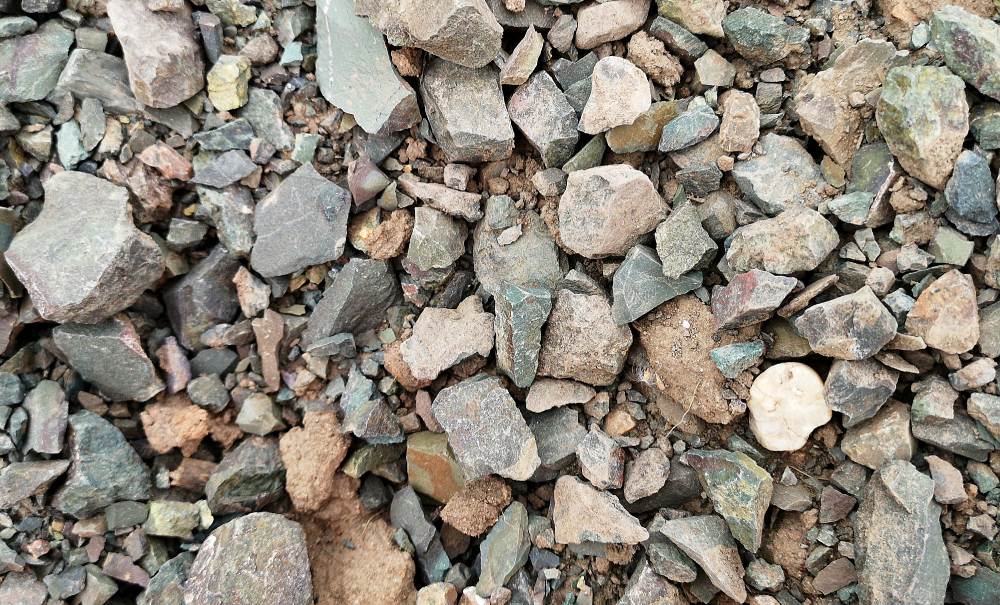
A patio sub base is not required, but it will add more stability to the patio if you know it is going to receive a lot of foot traffic, or if you plan on having a lot of garden furniture.
The best material to use for this is MOT Type 1, which is sized from 40mm, all the way down to dust and is ideal for drives, construction jobs, ponds, and patios. It compacts down extremely well which creates a solid foundation.
Spread the MOT Type 1 evenly across the base, and at a depth of around 4 inches. This ensures that you have enough space for your gravel to go on top.
Step 7: Add a Weed-Resistant Membrane
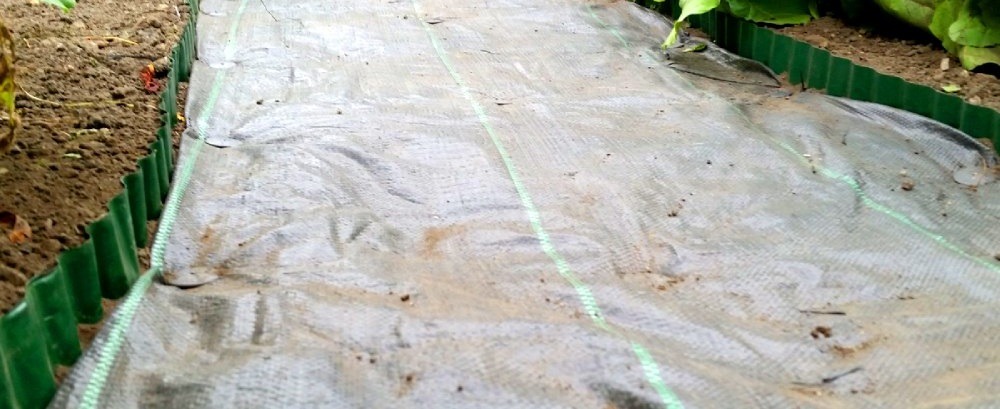
Before we add the gravel, it’s a good idea to add a weed-resistant membrane on top of the MOT Type 1 that you placed down in the previous step. This will prevent unwanted plants and weeds from growing in between the gravel.
It also stops the gravel from mixing with the material underneath, as well as improving drainage.
There are several types of membranes available on the market – so you can find one that best suits your needs. Just be sure to read the manufacturer’s instructions before installing them.
Step 8: Add Your Gravel
The final step is to add the gravel of your choice on top of the weed membrane. Ensure that it is evenly spread across the entire area using a rake.
The other tools that will come in handy for this step are the wheelbarrow that will be loaded with gravel, and a shovel for moving the gravel into the patio area.
Just be careful that you do not tear the weed membrane when doing this step.
How To Lay A Gravel Garden Patio Conclusion
Lay a gravel garden patio with the help of these steps and you are all set to have a beautiful outdoor space.
Read through the guide carefully, keep all the tips mentioned above in mind, and get started in making your dream patio come true!
Have you successfully created your own gravel garden patio? Let us know how you got on with the process in the comments section below.