13 Low-Maintenance Garden Ideas
Maintaining a beautiful yard can be a time-consuming and labour-intensive task!
That’s why low maintenance landscaping has become increasingly popular among homeowners.
By implementing a few key design elements and using the right materials, you can create a stunning outdoor space that requires minimal upkeep.
In this blog post, we’ll explore some creative and practical low maintenance garden ideas that you can use to transform your yard.
From incorporating hardscaping features to choosing the right native plants, there are many ways to reduce the amount of time and effort you need to spend on yard work without sacrificing beauty or functionality.
So whether you’re a busy professional, a new parent, or simply someone who wants to spend more time enjoying their yard instead of maintaining it, this post is for you.
We’ll show you how to create a low maintenance landscape design that’s both beautiful and functional, so you can spend less time working in your yard and more time relaxing in it.
Let’s get started!
Low-Maintenance Garden Ideas
1. Scale Back The Lawn

When it comes to low-maintenance garden ideas, scaling back the lawn is one of the most effective ways to reduce maintenance while still maintaining a beautiful outdoor space.
Consider reducing the size of your lawn and replacing it with a combination of other landscape features, such as a rock garden or a vegetable garden.
This will not only reduce the amount of watering, mowing, and fertilizing required, but it will also add visual interest and variety to your yard.
You can also consider replacing your lawn with low-maintenance ground covers, such as clover or creeping thyme, which require less water and maintenance than traditional grass.
These options also attract beneficial insects and pollinators to your yard.
2.Native Plants

Native plants are those that naturally grow and thrive in a particular region or ecosystem, and they offer many benefits over non-native plants.
One of the main benefits of using native plants is that they are well-adapted to the local climate and soil conditions.
This means that they require less water, fertilizer, and maintenance than non-native plants, which often struggle to adapt to the local environment.
Additionally, native plants provide important habitat and food sources for local wildlife, including birds, butterflies, and bees.
Another advantage of using native plants is that they can help improve the overall health and resilience of your yard.
Native plants have deep root systems that help improve soil health and reduce erosion, and they can also help filter pollutants and improve air quality.
By incorporating a variety of native plants into your landscaping design, you can create a beautiful and functional outdoor space that supports a healthy ecosystem.
When selecting native plants for your yard, it’s important to consider factors such as sun exposure, soil type, and moisture levels.
3. Large Pots

Large pots are a great option for creating a stunning focal point in your landscaping design.
Whether you’re looking to add some colour to a patio or deck, or you want to create a statement piece in your garden, large pots offer a versatile and low maintenance solution.
One of the main advantages of using large pots is that they can be easily moved and rearranged, allowing you to change the look and feel of your outdoor space as desired.
This flexibility is especially useful for those who live in areas with extreme weather conditions, as pots can be moved indoors or to a sheltered location during storms or cold snaps.
When selecting large pots for your landscaping design, it’s important to consider factors such as material, style, and drainage.
Terra cotta pots are a popular option for their natural look and breathability, but they can be heavy and prone to cracking.
Plastic and fiberglass pots are lightweight and durable, but may not offer the same aesthetic appeal as more traditional materials.
In terms of style, large pots come in a variety of shapes and sizes, ranging from sleek and modern to rustic and traditional.
Consider the overall aesthetic of your landscaping design when selecting pots, and aim for a cohesive look that complements the surrounding environment.
Overall, large pots offer a versatile and low maintenance option for creating a stunning focal point in your landscaping design.
4. Long-Lasting Plant Combinations

Choosing the right combination of plants is key to creating a beautiful and long-lasting landscaping design.
By selecting plants with complementary colours, textures, and growth habits, you can create a dynamic and visually appealing environment that will thrive for years to come.
When selecting plants for your landscaping design, it’s important to consider factors such as sun exposure, soil type, and moisture levels.
By choosing plants that are well-suited to the specific conditions of your yard, you can ensure that they will thrive and require minimal maintenance over time.
One popular approach to plant combinations is to choose a mix of annuals and perennials.
Annuals offer vibrant colour and texture that can be changed each season, while perennials provide a reliable foundation that returns year after year.
Some popular annuals for long-lasting plant combinations include petunias, marigolds, and snapdragons, while popular perennials include daylilies, coneflowers, and hostas.
Another approach to long-lasting plant combinations is to choose plants with varying heights and growth habits.
By combining tall plants with trailing varieties and groundcovers, you can create a layered effect that adds depth and visual interest to your landscaping design.
Some popular tall plants for this approach include ornamental grasses, salvia, and butterfly bush.
Some popular trailing plants and groundcovers include creeping thyme, sweet potato vine, and ivy.
Finally, don’t be afraid to experiment with unique combinations of plants that speak to your personal style and preferences.
5. Use Mulches

Using mulches in your garden is an excellent way to maintain a low-maintenance landscape.
Mulching is the process of adding a layer of organic material to the soil surface around your plants.
This has many benefits such as:
- Helps suppress weed growth
- Retain moisture
- Moderate soil temperature
- Help improve soil structure and fertility
When selecting a mulch, consider the needs of your plants as well as the aesthetic you are trying to achieve.
For example, if you are looking for a more natural look, shredded bark or wood chips may be a good choice.
Mulching can be done at any time of year, but it is especially beneficial in the spring and fall when temperatures are moderate.
In the spring, mulching can help to suppress weed growth and retain soil moisture as plants begin to grow.
In the fall, mulching can help to protect plant roots from frost and keep soil temperatures moderate as winter sets in.
By using mulches in your garden, you can save time and effort while still maintaining a healthy and attractive landscape.
We have our very our bark available here at TW Aggregates.
6. An Outdoor Living Area

An outdoor living area is an excellent way to create a low maintenance space that adds value and functionality to your yard.
With a well-designed outdoor living area, you can have a space for entertainment, relaxation, and leisure.
The first step in creating an outdoor living area is to determine how you plan to use the space.
Will you be hosting barbecues or outdoor dinner parties? Do you want a space to read and relax with a book?
Once you have a clear idea of how you will use the space, you can start planning the layout and design.
One of the most popular options for outdoor living areas is a patio.
Patios are durable, low maintenance, and provide a solid foundation for outdoor furniture.
You can choose from a variety of materials, including concrete, pavers, and natural stone, to create a unique look that complements your home and landscaping.
Another option for an outdoor living area is a deck.
Decks are a great choice if you have uneven terrain or want to create a raised area that offers a view.
Composite decking is a popular choice because it is low maintenance and resistant to rot and insects.
When designing your outdoor living area, don’t forget to include some shade options. Pergolas, awnings, and umbrellas can provide relief from the sun and create a more comfortable space.
7. Water Features

Water features are an excellent way to add a touch of tranquillity and serenity to any outdoor space.
There are a variety of options available, ranging from small fountains to large ponds.
Water features not only add visual interest, but also provide the calming sound of running water.
When it comes to low maintenance landscaping, there are several water feature options to consider.
One popular choice is a recirculating fountain. These fountains require little maintenance and are relatively easy to install.
They can be powered by electricity or solar energy, depending on your preference.
Another option is a pondless waterfall. These water features have all the beauty and calming effects of a traditional waterfall, but don’t require a pond to collect the water.
Instead, the water flows into a hidden underground reservoir, making them easier to maintain and safer for families with young children.
8. A Hammock For Relaxation

Adding a hammock to your landscaping can be a great way to create a relaxing and inviting space in your garden.
Not only are hammocks a great spot for a nap or some peaceful alone time, but they can also add a fun and whimsical element to your outdoor decor.
When selecting a spot for your hammock, be sure to choose a location with sturdy trees or other anchors that can support the weight of the hammock and the person using it.
Consider adding some potted plants or hanging baskets around your hammock to create a cozy, secluded feel.
You could also incorporate some outdoor lighting to extend your hammock usage into the evening hours.
Solar-powered string lights or lanterns can add a warm and inviting glow to your outdoor oasis.
When selecting a hammock, consider the material and size.
A cotton or polyester blend will be comfortable and durable, while a larger size will allow for more room to spread out and relax.
Consider adding a pillow or cushion for added comfort and support.
Overall, incorporating a hammock into your landscaping can be a fun and functional way to create an inviting outdoor space for relaxation and enjoyment.
9. Automatic Irrigation System

An automatic irrigation system is a great investment for any landscaping project.
It can save you time, money, and water while keeping your plants healthy and thriving.
With an automatic irrigation system, you can ensure that your plants are getting the right amount of water at the right time, without the need for manual watering.
There are several types of automatic irrigation systems, including drip irrigation and sprinkler systems.
Drip irrigation systems are ideal for watering plants that require less water, as they slowly drip water directly onto the soil around the roots.
Sprinkler systems, on the other hand, are better suited for larger areas or plants that require more water.
One of the main benefits of an automatic irrigation system is that it can be customized to fit your specific landscape needs.
You can set timers to water your plants at certain times of the day or week, adjust water flow and pressure, and even install sensors that can detect when your plants need water.
Another advantage of an automatic irrigation system is that it can help conserve water.
By delivering water directly to the roots of your plants, you can reduce water waste and prevent over-watering. This can also save you money on your water bill in the long run.
10. Rock Garden Features

Rock gardens are an excellent way to create an interesting and visually appealing focal point in your outdoor space.
They offer a low-maintenance and sustainable way to enhance the beauty of your garden while adding texture and contrast to the landscape.
One of the most significant advantages of rock gardens is that they are easy to maintain.
With the use of rocks, you can create a dry garden that requires little water, meaning less maintenance.
By choosing the right rock type, you can add an organic and natural feel to your garden while reducing your water usage.
Another great feature of rock gardens is their versatility. They can be designed to suit any garden size and style.
Rock gardens can be designed as a standalone feature or incorporated with other garden features such as waterfalls, ponds, and streams.
When designing a rock garden, it is important to consider the types of rocks you will use, the shape and layout of the garden, and the plants that will complement the rocks.
Consider the colours, textures, and sizes of the rocks to create a visually appealing design.
11. Gravel

Gravel is a versatile and low-maintenance material that can be used in many landscaping applications.
Its small size and angular shape make it perfect for use as a groundcover, for creating paths, or for use in drainage systems.
Gravel is available in a range of sizes and colours, making it easy to find the right material to suit your design preferences.
One of the great benefits of using gravel in your landscaping is that it requires very little maintenance.
Unlike other groundcover materials, such as grass or mulch, gravel doesn’t need to be watered or mowed, and it won’t attract pests or diseases.
Additionally, gravel is a permeable material, which means that it allows water to seep through and reach plant roots, making it a good choice for areas with poor drainage.
When using gravel in your landscaping, it’s important to select the right size and type of gravel for your needs.
Larger gravel, such as pea gravel or river rock, is best for creating paths or walkways, while smaller gravel, such as crushed stone, is better for use as a groundcover or in drainage systems.
Additionally, different types of gravel have different colours and textures, so it’s important to select a material that complements the overall design of your landscape.
Click here to check out our post on the Ultimate Guide To Gravel
Here at TW Aggregates, we have a variety of gravel available on our online shop, such as golden gravel, cotswold gravel, 20mm gravel, and gravel mixed 14-6mm.
12. Low Maintenance Shrubs

Low maintenance shrubs can be a great addition to any garden or landscaping project.
These types of plants require little upkeep, making them perfect for those who want to enjoy a beautiful outdoor space without spending a lot of time and effort on maintenance.
Some of the best low maintenance shrubs include:
- Boxwood: Boxwoods are evergreen shrubs that are easy to maintain. They require little watering and can be pruned into a variety of shapes.
- Juniper: Junipers are hardy shrubs that can thrive in a variety of soil types. They require minimal watering and can be shaped into hedges or topiaries.
- Barberry: Barberry shrubs have colourful foliage and produce small berries that attract birds. They require little maintenance and can tolerate drought conditions.
- Dwarf Alberta Spruce: Dwarf Alberta Spruce is a small evergreen shrub that requires minimal maintenance. It can be planted in a variety of soil types and is perfect for small gardens.
- Russian Sage: Russian Sage is a beautiful, low-maintenance shrub that produces lavender-coloUred flowers in the summer. It requires little watering and can tolerate hot, dry conditions.
When choosing low maintenance shrubs, it’s important to consider the specific climate and growing conditions of your area.
It’s also important to choose plants that are appropriate for the amount of sunlight and water available in your garden.
13. Garden Art

Adding garden art to your landscaping is an excellent way to infuse personality, colour, and character into your garden.
Garden art is available in an array of styles and materials, including metal, stone, glass, and wood.
From statues and sculptures to garden stakes and wind chimes, garden art can help create focal points, add texture and depth, and enhance the visual appeal of your outdoor living space.
When selecting garden art, consider the style of your garden and the type of statement you want to make.
For instance, if you have a cottage garden, you may want to consider whimsical garden art pieces, such as a birdbath or a garden gnome.
On the other hand, if you have a modern garden, you may want to opt for abstract metal sculptures or minimalist garden art pieces.
Ultimately, adding garden art is a fun and creative way to personalize your outdoor living space and make it uniquely yours.
Low-Maintenance Garden Ideas Conclusion
In conclusion, designing a low-maintenance garden that is both beautiful and functional can be a challenging yet rewarding task.
With the right mix of plants, hardscaping elements, and personal touches, you can create an outdoor space that provides a tranquil retreat for you and your family to enjoy.
Whether you prefer the serenity of a water feature or the relaxation of a hammock, there are countless ways to customize your garden to fit your unique needs and preferences.
Remember, proper planning is key to achieving the garden of your dreams.
Consider factors such as sun exposure, soil type, and drainage when selecting plants and hardscaping elements.
Low-maintenance options like gravel and automatic irrigation systems can help reduce the time and effort required to keep your garden looking its best.
39 Inspiring Rockery Ideas – [Garden Idea & Designs]
Have you ever fancied a stunning focal point in your garden? Why not create your very own rockery!
In this post, we have a number of rockery ideas and inspiration, broken down into different categories.
Rock gardens are popular for a number of reasons. Not only are they very affordable, but they are also pretty easy to build.
A lot of the materials can but bought from us here at TW Aggregates such as turf, Top soil, compost, decorative aggregates plus much more.
So let’s jump right in and look at some inspiring rock garden ideas.
What Is a Rock Garden?
A rock garden is a garden designed specifically to feature rocks and other natural elements. It’s usually a small area that’s filled with various types of rocks, stones, and other geology-inspired elements.
There are several reasons why you might want to create a rock garden in your yard. Some people find them aesthetically pleasing, while others use them as focal points for their gardens.
It also adds texture, colour and beauty, making it the perfect place to relax on a nice summer s day.
Rockery Ideas
Here are some rock garden ideas broken down into various different sections to give you some ideas and inspiration for your own garden.
You can replicate these ideas as closely as you like or take your favourite elements from different designs to create your own design.
Rock Ideas With Water Feature
View the original design inspiration
View the original design inspiration
View the original design inspiration
View the original design inspiration
View the original design inspiration
View the original design inspiration
Rock Ideas For Small Gardens
View the original design inspiration
View the original design inspiration
View the original design inspiration
View the original design inspiration
View the original design inspiration
Rockery Ideas Around a Tree
View the original design inspiration
View the original design inspiration
View the original design inspiration
View the original design inspiration
View the original design inspiration
View the original design inspiration
Corner Rock Ideas
View the original design inspiration
View the original design inspiration
View the original design inspiration
View the original design inspiration
View the original design inspiration
View the original design inspiration
View the original design inspiration
View the original design inspiration
Rockery Border Ideas
View the original design inspiration
View the original design inspiration
View the original design inspiration
View the original design inspiration
View the original design inspiration
View the original design inspiration
View the original design inspiration
Rockery Plant Ideas
View the original design inspiration
View the original design inspiration
View the original design inspiration
View the original design inspiration
View the original design inspiration
View the original design inspiration
View the original design inspiration
Inspiring Rockery Ideas Conclusion
Rockeries make an excellent addition to any outdoor space, no matter how big or small your garden may be.
They not only add beauty, but also make the space more serene and calm. They are also surprisingly pretty easy to create on your own with no prior experience or the need to be a professional landscaper.
If you want to get a beautiful rockery of your own, just keep these designs in mind so that you can create one that is truly mesmerizing for everyone who visits it!
Have you successfully created a rockery for your garden? Let us know in the comments below, or send us your pics.
Small Garden Ideas & Inspiration On A Budget
Welcome to the enchanting world of small garden ideas and inspiration!
From cosy balconies to pocket-sized backyards, these petite wonders offer endless possibilities for green enthusiasts and aspiring landscape artists alike.
In this guide, we will unravel the secrets of maximizing small garden spaces, infusing them with life and character.
Discover the art of vertical gardening with living walls adorned in trailing plants, or create intimate seating areas with garden furniture where relaxation and reflection become a daily ritual.
We’ll explore the wonders of container gardening, where miniature masterpieces bloom at your fingertips, and reveal the allure of raised beds that elevate gardening to new heights.
Let your creativity bloom, and let’s craft the small garden of your dreams together!
Small Garden Ideas & Inspiration
1. Utilizing Vertical Space
Green Walls: Living Artistry on Vertical Canvases
Picture this: a living tapestry of lush foliage draped gracefully upon walls and structures, breathing life into the once barren surfaces.
Welcome to the captivating realm of green walls, also known as living walls or vertical gardens.
These botanical masterpieces are the poet’s dream, transforming mundane spaces into living poetry that captivates the senses.
Climbing Plants: Nature’s Ascent to Enchantment
But wait, there’s more! Enter the mesmerizing world of climbing plants, the botanical acrobats that scale fences, trellises, and arbours with graceful prowess.
Each vine, each tendril tells a story of nature’s tenacity and beauty.
From the flamboyant wisteria to the delicate clematis, and the steadfast ivy, climbing plants adorn your small garden with a touch of drama and elegance.
Vertical Garden Bliss: Where Creativity Soars
Embracing vertical space is more than just a horticultural feat; it’s an art form that ignites the imagination.
In the realm of petite gardens, where every inch counts, vertical gardens become the canvas for creativity.
Transform blank walls into living artworks, or create green room dividers that add depth and dimension to your outdoor haven.
Space-Efficient Gardening: When Every Inch Counts
In a world where space is at a premium, small garden enthusiasts celebrate the wonders of space-efficient gardening.
Utilizing vertical space not only enhances the visual appeal but also optimizes precious real estate.
Green walls and climbing plants elevate your garden’s allure, providing botanical treasures that bloom and flourish in harmonious coexistence.
Water Garden: Create a Mesmerizing Vertical Oasis of Tranquillity and Elegance
Embrace the serenity of water in your small garden by crafting a mesmerizing water garden along a vertical wall.
Picture a cascading waterfall, its gentle flow reflecting the dancing sunlight, transforming your outdoor space into a tranquil oasis.
Imagine the soothing sound of water trickling down, a melodic symphony that washes away the stresses of the day.
A water garden is not just an aesthetic delight but also a haven for relaxation and contemplation.
As water gently caresses the vertical surface, it creates an aura of elegance that elevates the ambiance of your green sanctuary.
The interplay of light and water casts enchanting patterns, enchanting both the eyes and the soul.
Window Boxes: A Whimsical Vertical Canvas Bursting with Color and Fragrance
Window boxes are a delightful addition to any vertical space, infusing your small garden with a touch of whimsy and charm.
These dainty containers suspended along windowsills or attached to walls transform otherwise plain surfaces into vibrant canvases teeming with life.
Imagine looking out of your window to behold a picturesque scene of cascading blooms and aromatic herbs.
Window boxes breathe new life into your surroundings, whether you live in a cosy apartment or a quaint cottage.
Their compact size allows you to create a captivating display of colours and scents even in the smallest of spaces.
2. Cozy Nooks and Garden Furniture
Creating Intimate Seating Areas: An Oasis of Comfort
Imagine stepping into your small garden oasis, where time seems to slow down, and worries drift away like autumn leaves on the breeze.
Intimate seating areas are the gateways to such rejuvenating experiences.
They offer respite from the hustle and bustle of daily life, inviting you to linger, to breathe, and to simply be.
Garden Furniture: Where Aesthetics Meets Comfort
Now, let’s immerse ourselves in the world of garden furniture, where aesthetics and comfort intertwine.
These outdoor essentials are more than mere elements of design; they are instruments of relaxation and joy.
From weather-resistant materials that withstand the elements to ergonomic designs that cradle your body, garden furniture elevates your outdoor experience to the epitome of comfort.
The Whimsy of Garden Seating: From Swing Sets to Hammocks
But wait, there’s more to discover in these cosy nooks! Embrace the whimsy of garden seating, where swing sets sway with laughter and hammocks cradle daydreams.
These playful elements add a touch of childhood nostalgia and carefree spirit to your small garden, inviting you to indulge in moments of pure bliss.
Captivating Garden Reading Nooks: A Book Lover’s Paradise
For the literary aficionados among us, envision a captivating garden reading nook – a book lover’s paradise!
Picture a secluded corner adorned with soft cushions and a rustic bookshelf, where the written word becomes your sanctuary and nature’s embrace, your muse.
Enhancing Cosiness with Textiles and Lighting
To further amplify the allure of cosy nooks, let us explore the art of textiles and lighting.
Soft cushions and throws infuse warmth and style, while outdoor rugs define spaces with a touch of elegance.
As the sun sets, garden lights and lanterns dance in the dusk, enveloping your intimate haven in a captivating glow.
Fruit Trees: A Bountiful Touch of Nature’s Harvest in Compact Containers
Imagine strolling through your small garden, and there it is – a miniature orchard of delightful fruit trees, each elegantly cradled in its own container.
Dwarf fruit trees offer a bountiful touch of nature’s bounty, bringing beauty, fragrance, and a delicious harvest to your outdoor space.
In the past, having a fruit tree in a limited garden seemed like a distant dream, but not anymore.
Dwarf fruit trees have revolutionized the way we embrace nature’s gifts, allowing you to cultivate these fruitful wonders even in the coziest of spaces.
3. Container Gardening Delights
Miniature Gardens in Pots: A Symphony of Design
Imagine holding a world of green enchantment in the palm of your hand. Container gardening allows you to do just that!
Each pot becomes a canvas for artistic expression, where colour, texture, and form harmonize in a symphony of design.
From vibrant blooms that paint the world in a kaleidoscope of hues to ornamental grasses that sway with graceful elegance, container gardens offer a glimpse of Mother Nature’s boundless creativity.
Fresh Herbs at Your Fingertips: A Culinary Haven
But there’s more to container gardening than ornamental delights. Step into the realm of practicality and convenience with kitchen gardens brimming with fresh herbs.
Picture yourself plucking fragrant basil for a homemade pesto or adding a sprig of mint to your refreshing summer drink – it’s a culinary haven just a few steps away from your kitchen!
Space-Efficiency and Flexibility: The Power of Portable Gardens
One of the greatest charms of container gardening lies in its space-efficient nature.
Whether you have a petite balcony, a cosy patio, or a sunny window sill, portable gardens offer the freedom to explore green possibilities wherever your heart desires.
They adapt to your changing needs, allowing you to move and rearrange your green gems as you see fit.
Vertical Trellises: A Garden Ascending
But wait, we can take container gardening to new heights – literally! Enter the world of vertical trellises that add a touch of elevation to your garden paradise.
Train climbing plants to scale these artistic structures, creating living tapestries that transform blank walls into green wonders.
With vertical trellises, you embrace the verticality of gardening and elevate your outdoor haven in the most captivating manner.
4. Pathways of Whimsy
Meandering Trails: The Joy of Exploration
Picture this: a labyrinth of meandering trails that beckon you to wander aimlessly, to lose yourself in the beauty of your garden oasis.
These pathways are invitations to slow down, to let your senses dance with the foliage that brushes against your fingertips, and to savour the moment as each step unfolds a new surprise.
The Charm of Narrow Pathways: Where Intimacy Blooms
But what makes pathways of whimsy so special? It’s the charm of narrow trails that cradle you in their embrace, creating an intimate connection between you and the garden.
In small gardens, where space is a precious commodity, narrow pathways become the threads that weave your green tapestry together, enhancing the sense of cosiness and wonder.
Stepping Stones: A Trail of Delight
Now, imagine stepping stones that lead you on a trail of delight. Each stone becomes a stepping stone of memories, guiding you through the lush wonders of your garden.
The possibilities are endless – from rustic stones that exude old-world charm to vibrant tiles that add a splash of colour to your green haven.
Intriguing Garden Focal Points: The Art of Surprise
But wait, there’s more to these whimsical pathways! Garden focal points become the hidden treasures that surprise and captivate.
Picture a charming birdbath nestled amidst foliage or a quaint garden statue that comes to life as you turn the corner.
These captivating elements infuse your pathways with moments of wonderment.
Glowing Pathways in Dusk: Embrace the Magic of Evening
As the sun sets, a new chapter unfolds – the magic of glowing pathways in dusk.
Garden lights and lanterns come to life, illuminating your meandering trails with a warm and inviting glow.
It’s a fairytale come true, where your garden transforms into a realm of enchantment under the starry night sky.
Budget Garden: Pathways of Charm and Sustainability on a Shoestring
Who says you need to break the bank to create a captivating garden pathway?
Embrace the art of budget gardening and unleash your creativity, crafting charming pathways that beckon with every step.
With a little ingenuity and resourcefulness, you can transform your outdoor space into a visual delight using eco-friendly and affordable materials.
Gravel pathways offer a simple yet alluring choice for budget-conscious gardeners.
This versatile material comes in various colours and sizes, allowing you to customize the look of your pathway to suit your garden’s style.
5. Thematic Inspiration for Small Gardens
Zen Serenity: Tranquil Japanese-Inspired Gardens
Embrace the serene beauty of Japanese-inspired gardens, where Zen serenity becomes a way of life.
These minimalist landscapes captivate with their harmonious design, inviting you to find tranquillity amidst carefully placed rocks, raked gravel, and contemplative water features.
With every step, you enter a realm of inner peace, where the essence of nature intertwines with the soul.
Cottage Garden Charm: Old-World Allure in a Cosy Space
Now, let’s step into the heart-warming charm of cottage gardens, where nostalgia and romance bloom in abundance.
These whimsical spaces captivate with their profusion of flowers, cascading over quaint picket fences and rustic trellises.
Imagine a tapestry of colours and scents, where rose bushes entwine with fragrant lavender and vibrant daisies dance in the breeze.
Modern Oasis: Fusion of Elegance and Greenery
But wait, we can venture into a modern oasis – a realm where sleek sophistication meets the embrace of greenery.
Contemporary garden design harmonizes clean lines and architectural elements with lush plants and artistic focal points.
Picture sleek geometric planters adorned with exotic foliage, or sculptural art pieces that add a touch of avant-garde to your outdoor haven.
Thematic Accents: From Lanterns to Ornamental Bridges
To elevate the thematic allure of your small garden, let us explore thematic accents that weave the narrative together.
Lanterns and stone sculptures transport you to a mystical realm, while ornamental bridges create a sense of whimsy that invites exploration.
These thematic elements are the brushstrokes that paint your garden masterpiece.
Personalizing Thematic Gardens: Express Your Style
The beauty of thematic inspiration lies in its versatility – it’s an invitation to express your unique style and taste.
Whether you prefer the meditative ambiance of Zen gardens, the rustic charm of cottage havens, or the sleek elegance of modern paradises, let your personality shine through and transform your small garden into a reflection of your soul.
Patio Ideas: Unleashing the Magic of Thematic Havens
Your patio is more than just an outdoor space; it’s a canvas waiting to be adorned with creativity and imagination.
Transform this charming alcove into a thematic haven, where each patio idea weaves a tale inspired by different cultures or design eras.
Embrace the allure of thematic patio design, and let your outdoor sanctuary become a reflection of your passions and inspirations.
6. Water Features and Evening Illumination
Water Wonders: Ponds, Fountains, and More
First, let’s immerse ourselves in the world of water wonders. Picture a shimmering pond, its still surface reflecting the clouds above, or a graceful fountain that cascades like a melodious waterfall.
From bubbling streams to trickling waterfalls, water features infuse your garden with a sense of serenity and natural elegance, inviting you to pause and meditate amidst the soothing sounds of water.
Ponds: Ecosystems of Delight
A pond is not just a water feature; it’s an ecosystem of delight. These aquatic havens become the homes of aquatic plants and creatures, fostering biodiversity in your small garden.
Embrace the sight of water lilies floating gracefully and dragonflies darting above the water’s surface – it’s a microcosm of nature’s wonders.
Fountains: A Symphony of Elegance
Now, let’s turn our attention to fountains – the symphony of elegance that enchants with every drop.
Whether it’s a classical tiered fountain or a contemporary sculptural piece, fountains add a touch of refinement to your outdoor space.
Their gentle flow of water becomes the soothing background music to your garden sanctuary.
Evening Illumination: The Enchantment Begins
As the sun bids farewell, the enchantment begins with evening illumination. Garden lights and lanterns come to life, weaving a spell of magic that transforms your small garden into a dreamlike wonderland.
Imagine twinkling fairy lights draping over lush foliage or solar-powered lanterns guiding your path with a warm and inviting glow.
Moonlit Gardens: A Symphony of Shadows
Under the moon’s gentle glow, your garden undergoes a transformation – it becomes a symphony of shadows. Strategic lighting creates intriguing silhouettes, casting an air of mystery and allure.
Moonlit gardens evoke a sense of romance and enchantment, where every leaf and petal takes on a new dimension under the lunar caress.
7. Garden Storage and Organization
Smart Solutions for Garden Tools and Supplies
Imagine a garden shed where every tool has its place and every seed packet finds its designated spot. Smart storage solutions are the backbone of a well-organized garden.
From sturdy tool racks that keep your shovels and rakes at the ready to neat shelves for organizing pots and potting soil, every element plays a crucial role in decluttering your outdoor space.
Emphasizing Tidiness in Small Garden Spaces
In the world of petite gardens, tidiness is paramount.
Clever storage solutions ensure that every inch of your limited space is optimized.
Vertical tool hangers and hanging baskets make use of wall space, while stackable containers and drawers keep your small garden essentials in order without taking up much room.
Garden Storage Structures: Sheds and Beyond
Garden storage structures are the guardians of your gardening arsenal.
Beyond the traditional garden shed, consider other options like garden benches with hidden storage, charming wooden chests, or even creative repurposed furniture that serves both functional and aesthetic purposes.
These structures become not just utilitarian but also charming accents that complement your garden design.
Organizing Potting Stations: A Gardener’s Haven
Ah, let us not forget the heart of every gardener’s haven – the potting station!
This sacred space is where creativity sprouts, and where seedlings grow to become thriving plants.
Organizing your potting station with well-labelled containers and proper storage shelves ensures a smooth and delightful gardening experience.
Enhancing Aesthetics: Storage as Garden Decor
Who says storage can’t be beautiful? Embrace the art of blending functionality with aesthetics by choosing storage solutions that double as garden decor.
Rustic wooden cabinets, stylish wicker baskets, or ornate metal containers can add a touch of charm to your outdoor sanctuary while keeping your garden tools neatly tucked away.
Frequently Asked Questions
How do you design a small garden?
There’s no need to spend a fortune on a large garden when you can create a small one that’s just as beautiful and useful.
It’s important to remember that a small garden doesn’t have to be sparse or boring – in fact, there are plenty of interesting ways to make it work well for your needs.
Here are some tips for designing and planting a small garden:
- Start with an eye for simplicity: Keep the design as simple as possible so that it’s easy to maintain and Weedless. This means using plants that require relatively little care (like berry bushes or annual plants), choosing low-maintenance flowers or herbs, and choosing pieces that you can easily move around if you need to expand or contract the garden.
- Plan your layout carefully: Make sure each section has specific functions (like flower beds for plants, vegetable patches for vegetables, etc.) and that the layout is easy to understand and navigate.
- Choose plants that will complement one another: For example, choose shade-tolerant flowers in front of light-tolerant plants, or choose tall herbs near shorter vegetables. This will help to create balance and harmony in the garden while keeping it visually appealing.
- Use pots and containers to advantage: Pots and containers allow you to grow many different types of plants in a small space without having to purchase large numbers of individual plants. You can also use them to combine different types of plants in one spot (for example, planting roses near lavender).
- Create natural borders: Create borders using rocks, logs, bricks, or other materials found around your home. This will add structure and height to the garden while hiding any unsightly roots from view.
What colours make a garden look big?
It is advisable to use light, cool-coloured paint shades in a garden colour scheme in order to make the space feel larger.
How Do You Brighten Up a Small Garden?
There are a number of ways to brighten up a small garden without spending a lot of money. Here are six suggestions:
- Add artificial plants: If you don’t have any real plants, you can add artificial ones to your garden to add some colour and height. There are many different types of artificial plants available on the market, so it’s easy to find something that looks good in your garden.
- Plant flowers in containers: One great way to add colour and depth to a small garden is by planting flowers in containers. You can buy pre-made flower pots or create your own using simple materials like plastic buckets or mugs. Once you’ve planted the flowers, it’s easy to care for them by watering them and changing the soil when necessary.
- Plant flowers that bloom all summer long: These include daffodils, lilies, iris, and snapdragons.
- Install a trellis for vines or baskets full of flowers.
What are the best flowers to plant in flower beds?
Popular choices for flower beds include petunias, marigolds, geraniums, pansies, and impatiens, as they offer vibrant colors, long-lasting blooms, and easy maintenance.
How do I create a stunning flower bed design?
Achieve a captivating design by choosing a focal point, selecting complementary colours and heights, and incorporating a mix of annuals and perennials for year-round beauty.
Which trailing plants are suitable for hanging baskets?
Consider trailing petunias, ivy geraniums, bacopa, sweet potato vine, and trailing lobelia to create cascading and elegant displays in hanging baskets.
What are the benefits of using hanging baskets in gardening?
Hanging baskets save space, add vertical interest, elevate the aesthetic appeal of any area, and are perfect for growing plants where ground space is limited.
How do I care for trailing plants in hanging baskets?
Water regularly to keep the soil moist, apply a balanced fertilizer to promote growth, and prune occasionally to maintain shape and prevent legginess.
What are the different types of hanging baskets available?
Choose from wire baskets, moss-lined baskets, plastic baskets, and decorative ceramic or resin containers, each offering unique features and aesthetics.
What trailing plants are suitable for shady areas?
Consider trailing fuchsias, ivy, begonias, and coleus, as they thrive in low-light conditions and bring life to shaded spots.
Can I mix different flowers in the same flower bed?
Yes, combining various flowers with different colors, textures, and heights creates dynamic and visually appealing flower beds with a harmonious and diverse display.
Small Garden Ideas Conclusion
In conclusion, your small garden holds boundless potential for creating a haven of natural beauty and enchantment.
Throughout this journey, we’ve explored a tapestry of small garden ideas to transform your limited space into a green paradise.
Embrace the charm of vertical space. Discover the allure of cozy nooks adorned with garden furniture.
Unlock the magic of container gardening, where pots and planters become miniature gardens bursting with life.
Thematic inspirations transport you to worlds of serenity and nostalgia, from the Zen tranquility of Japanese-inspired retreats to the old-world charm of cottage gardens.
Let your garden thrive, for it is a testament to the beauty of nature and the artistry of your heart.
How To Lay A Gravel Garden Patio: Step-By-Step Guide
Want to add a beautiful and stylish gravel garden patio to your home? Gravel is one of the most popular patio materials today, and for good reason.
Not only is a very affordable option, but it’s also extremely versatile, easy to maintain and looks great.
In this guide, we’ll show you how to lay a gravel patio step-by-step, so you can create a beautiful backyard oasis that everyone will love.
Interested? Let’s get started!
What is a gravel patio?
A gravel patio is a versatile and stylish way to add extra texture and character to your garden. It’s also a great option if you want to create an outdoor space that’s both comfortable and elegant.
Outdoor furniture such as table and chairs, as well as barbeques and fire pits can be placed on a gravel patio. Gravel patios can also be attached or detached from a home, which gives you flexible placement options.
Gravel Patio Pros And Cons
Pros
There are many benefits to having a gravel garden patio. Let’s take a look:
- Low-Maintenance: You don’t have to water them, fertilize them, or mow them.
- Affordable/Inexpensive: Gravel is relatively cheap in comparison to other kinds of building materials, which means you can build one on a budget. It’s also something that you can lay yourself which means you can also save money that you would of spent on a professional landscaper.
- Versatile: You can create many different unique looks in your garden due to the variety of shapes and colours available when it comes to gravel.
- Durable and Long-Lasting: Gravel gardens are resistant to weathering and pests, making them a long-lasting option.
- Attractive: They’re aesthetically pleasing and come in a variety of colors and styles.
- Drainage: Gravel provides natural drainage which means you will have a puddle free area.
Cons
- Not Furniture Friendly: Although people do have garden furniture on gravel patios, it is not the ideal kind of surface. Furniture is known for sinking and being unstable, even when laying a firm foundation.
- Sinking: Over time the surface can become absorbed by the soil underneath. This means that the gravel will need to be replenished each year.
What You’ll Need
Equipment/Tools
To lay a gravel garden patio, you’ll need the following equipment:
- Level
- Garden hose/string & wooden stakes for marking out the gravel patio area
- Marking paint
- Edging
- Rake
- Shovel
- Wheelbarrow or container
- Measuring tape
Materials
You will also need the following materials:
How To Lay a Gravel Garden Patio
Step 1: Patio Size and Location
Before you begin laying the gravel, first make sure to select a patio space that’s large enough for your desired layout. You’ll also want to take into account any obstructions or other elements that will need to be incorporated into your garden path – these could include plants, boulders, or stepping stones.
Another important factor to be aware of is how steep the area is. If the area is too steep, certain gravels can easily move due to foot traffic, as well as heavy water potentially washing the gravel away.
Step 2: Order Your Gravel
Ordering gravel is extremely easy. Here at TW Aggregates we provide a number of different gravels and decorative aggregates in a variety of colours that you can use for your patio.
How Much Gravel Do You Need?
There’s no one-size-fits-all answer to this question, as the amount of gravel you need will depend on the size and shape of the patio you’re creating.
You will need three different measurements:
You can take these measurements and enter them into our gravel calculator that will tell you exactly how many bags you will need to order.
Step 3: Mark Out The Area
Once you’ve ordered your gravel, it’s time to start marking out the area.
First, use a level to make sure that the surface of the patio is even. Choosing an area as flat and even as possible will make the overall job a lot easier.
Once the area has been chosen, it’s time to start marking out the area where the patio is going to be. There are a number of techniques you can use for this such as marking spray/paint, string, rope, or even a garden hose if that’s all you have available.
Step 4: Dig the area for your gravel patio
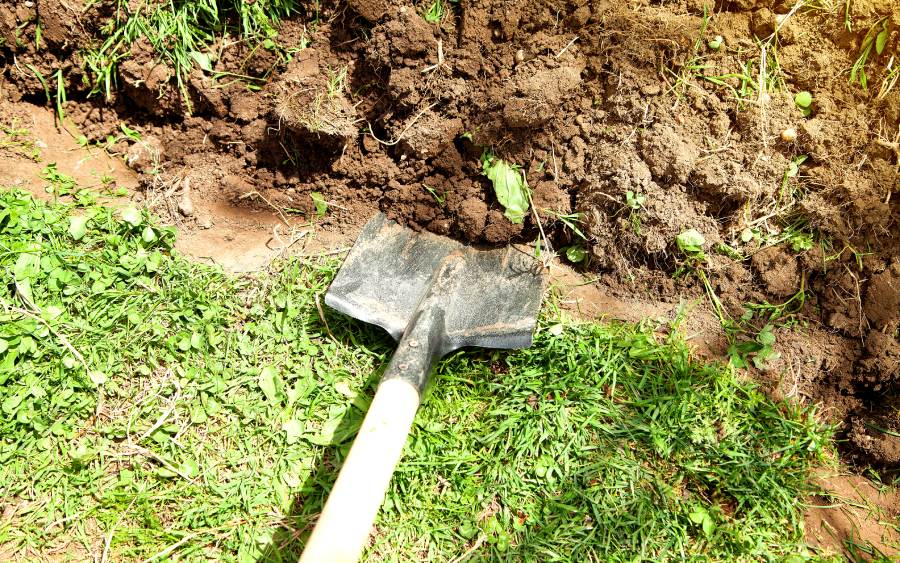
Once you have marked out the entire area, it is now time to start digging. You can start this off by removing any grass that is in the area. Simply use a straight edged shovel to cut away the turf along the marked area that you created in the previous step.
Dig to a depth of at least 5 inches, removing any topsoil to ensure you have enough depth to lay a sub-layer which will create extra stability for the patio.
Step 5: Install Edging
Edging is an important aspect because it helps to keep the loose gravel in place and prevent it from spilling out of the patio area.
When it comes to the type of edging or border, there are a number of options available:
- Stone
- Bricks
- Timber
- Plastic
- Metal
- Rubber
- Bamboo
The choice will depend on what kind of look or feel you want for your patio and how well it will fit in with the rest of the design in your garden.
Step 6: Patio Sub Base
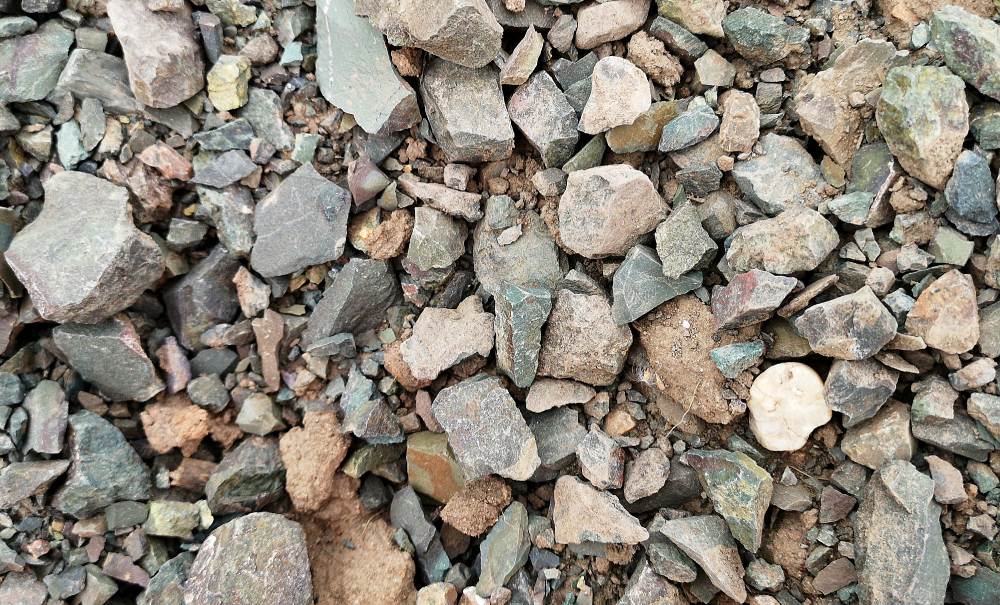
A patio sub base is not required, but it will add more stability to the patio if you know it is going to receive a lot of foot traffic, or if you plan on having a lot of garden furniture.
The best material to use for this is MOT Type 1, which is sized from 40mm, all the way down to dust and is ideal for drives, construction jobs, ponds, and patios. It compacts down extremely well which creates a solid foundation.
Spread the MOT Type 1 evenly across the base, and at a depth of around 4 inches. This ensures that you have enough space for your gravel to go on top.
Step 7: Add a Weed-Resistant Membrane
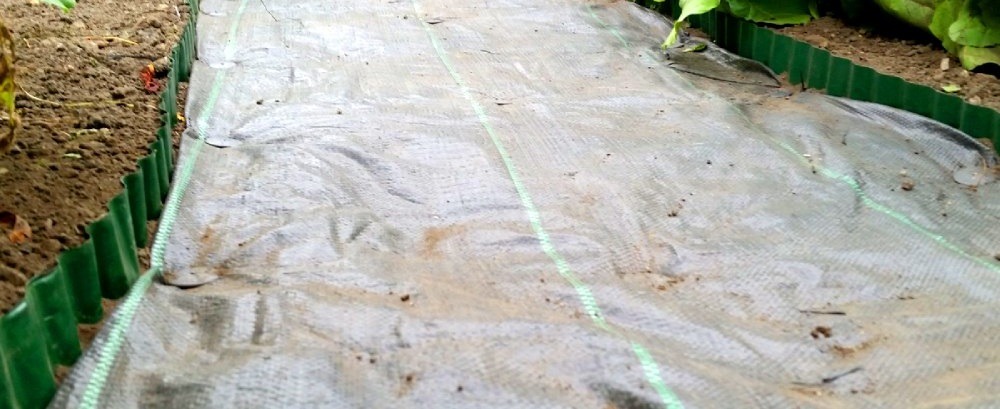
Before we add the gravel, it’s a good idea to add a weed-resistant membrane on top of the MOT Type 1 that you placed down in the previous step. This will prevent unwanted plants and weeds from growing in between the gravel.
It also stops the gravel from mixing with the material underneath, as well as improving drainage.
There are several types of membranes available on the market – so you can find one that best suits your needs. Just be sure to read the manufacturer’s instructions before installing them.
Step 8: Add Your Gravel
The final step is to add the gravel of your choice on top of the weed membrane. Ensure that it is evenly spread across the entire area using a rake.
The other tools that will come in handy for this step are the wheelbarrow that will be loaded with gravel, and a shovel for moving the gravel into the patio area.
Just be careful that you do not tear the weed membrane when doing this step.
How To Lay A Gravel Garden Patio Conclusion
Lay a gravel garden patio with the help of these steps and you are all set to have a beautiful outdoor space.
Read through the guide carefully, keep all the tips mentioned above in mind, and get started in making your dream patio come true!
Have you successfully created your own gravel garden patio? Let us know how you got on with the process in the comments section below.