Driveway Ideas and Design Inspiration
When it comes to driveway ideas, there are many things to consider. Do you want something that’s cheap and easy to maintain, or are you willing to pay a little extra for something that looks nicer?
There are also different types of driveways to choose from – gravel, concrete, paving stones, and more. And of course, you’ll want to think about how your driveway fits in with the overall look of your home.
To help you narrow down your options and get some ideas, we’ve compiled a list of driveway ideas and design inspiration. From modern and minimalist driveways to more traditional ones, there’s sure to be something on this list that catches your eye.
So let’s jump right in and start planning your new driveway today!
Driveway Ideas
There’s nothing like a driveway that truly stands out from the rest. Whether you’re looking for a new design or just want to give your concrete driveway a fresh look, here are some driveway ideas to add kerb appeal to your property.
Mixed Textures Driveway

A driveway made of different textures and materials is a great way to add interest and texture to your property.
By using different types of bricks, gravel and concrete in combination with plants, you can create a driveway that looks unique and stands out from the crowd.
Mixed textures driveways are easy to maintain – just keep them clean! Plus they will last for many years without any problems at all.
Crazy Paving

Crazy paving is a type of paving that comes in different textures, colors, and an irregular design. It is a great choice for driveways as it is durable and easy to maintain.
Crazy paving can last for many years with minimal effort on your part, as well as looking more natural than other types of paving.
Block Paving

Block paving is a popular driveway option that is durable and easy to maintain. It comes in a variety of colours and styles, so you can find the perfect one for your home’s exterior.
This kind of driveway has a sophisticated feel, along with smooth lines to give a modern look and feel.
Tarmac Driveways

If you are looking for a driveway surface with a smooth look, tarmac is an excellent option.
They are a very affordable option, which is great if you are on a tight budget, but on the downside, you are limited when it comes to colour options. Tarmac driveways also deteriorate due to oil and chemicals from cars.
Floral Border Driveway

Add some charm to your driveway with a Rambling Country Floral Border. This simple design can be easily executed using basic gardening tools, and you can use a variety of different flowers and plants to create the look that’s right for you.
Be sure to water the border regularly so that the plants stay healthy and vibrant – this will help maintain their colour and attractiveness.
Gravel and Slate Driveway

If you’re looking for a driveway that stands out from the rest, gravel and slate might be the perfect option. Not only does this type of driveway come in a variety of colors, but it’s also easy to maintain.
Indian Stone (Sandstone) Driveways

If you’re looking for a driveway with a natural aesthetic, try Indian Stone. You can choose from a variety of colors and patterns, making it the perfect choice for any home. Plus, its natural appearance makes it stand out and complement any design theme.
One Way Roundabout

One way systems can be a great way to reduce traffic on your driveway and make things more convenient for everyone.
A round patch of lawn with a centre feature such as a small tree, and decorative gravel surrounding the mini roundabout will make a great focal point.
You’ll need a large front garden for this type of design.
Traditional Cobblestone

If you’re looking for a timeless and classic look for your home, then cobblestone is the perfect option. It can be installed in a variety of patterns to give your property an individual look, while also being easy to clean and maintain.
Plus, with its durable construction it will provide years of functionality and beauty.
Resin Bound Driveway

Resin bound driveways are a popular choice and feature a smooth, consistent surface with a textured look.
A resin driveway is perfect for those who are looking for an easy-to-maintain driveway with no loose stones, that will also look great.
As well as being permeable which helps reduce water, these driveways are also available in a variety of colours.
This kind of surface also works well for a patio, pathway or pool surroundings.
Minimalist driveway lighting
Driveway lighting is a must-have for any modern home. Well-lit drives look both stylish and functional, and there are a variety of options available when it comes to choosing the right type of light fixtures.
From solar lights to low voltage LED lights, you can find the perfect option for your driveway without having to break the bank.
Furthermore, minimalist design trends nowadays often feature sleek white driveways with just enough illumination – making this style the perfect choice if you want an elegant but unobtrusive look.
Driveway Gates

A driveway gate is a great addition to your home. You can choose from different designs and materials, depending on your taste and the type of driveway you have.
If you have a larger driveway, an automated rolling gate is the best option as it will keep people out while allowing traffic in during designated hours.
However, if you have a small driveway or don’t want someone coming into your property constantly, consider a swinging or sliding gate instead.
Driveway design tips
A driveway is one of the most important design elements in your home – after all, it’s the first thing people see when they drive up. That’s why it’s important to get professional help when designing one.
If your up for the task, you can even have a go at laying a gravel driveway yourself.
There are various driveway ideas that can be modern and attractive. A well-designed driveway has the potential to increase the value of your home. Some modern driveway ideas include using gravel, bricks, or resin. You can also try different patterns or designs to create an appealing look.
A driveway should be designed to stand out, and use contrast to pop. For example, use light-colored houses paired with dark driveways or vice versa. Additionally, design your driveway based on your home’s curb appeal.
Keep in mind the shape, material, and color options, and choose the right one for your home and driveway.
The edging of your driveway can be an important part of the overall design. It can help to delineate different areas, add interest, and create a border. There are many different types of edging available, so it is important to choose one that will complement your home and garden.
Finally, make sure to plan your driveway design in advance to avoid any delay or inconvenience during construction.
Sub base and drainage considerations
When it comes to choosing the right type of sub base for your driveway, there are a variety of options to choose from. gravel is one such option, as is concrete.
Additionally, drainage is essential for any driveway – make sure water can easily flow away so you don’t have to worry about flooding or damage.
To be on the safe side, consult with a professional before making any decisions. They will be able to advise you on the best type of sub base and drainage system that suits your driveway and house perfectly.
Paving materials
When it comes to paving your driveway, there are a variety of materials available on the market. It is important to consider your budget and the amount of maintenance you are willing to do before making a decision.
Some popular paving materials include concrete, asphalt, brick pavers, and stone. Each one has its own benefits and drawbacks so it is important to do your research first.
There are also a number of paving materials available on the market. You can choose from modern proprietary designs or traditional natural stones such as granite or limestone.
Whatever you choose, make sure that you get the right type for your driveway; otherwise it will become unusable in no time at all due to wear and tear caused by traffic.”
What is the Cheapest Option for a Driveway?
If you’re on a tight budget, an asphalt or concrete surface will be the best solution. Although very durable, the downside to going with the cheaper option is that they do not look as aesthetically pleasing as some of the other options on this list.
Keep in mind that the size of the area will play a factor in the overall price, as well as additional costs such as installation and maintenance.
You may need to buy materials such as gravel and decorative aggregates, as well as having replacements to top up areas over time.
What is the Best Type of Driveway?
There are many different options to choose from, each with its own benefits and drawbacks.
For a more durable driveway, concrete is a great option. It’s durable and long-lasting, making it a great choice for those who want a driveway that will last for years.
If you’re looking for a low-maintenance driveway, asphalt is a good option. It’s easy to repair and maintain, and doesn’t require a lot of maintenance.
When it comes to driveway options, there are many different types of materials to choose from. So, if you’re not sure which type of driveway is best for your home, speak to a driveway contractor to get a more detailed breakdown of all the options.
How Can I Make my Driveway Look Nice?
Driveway design is one of the first things homeowners think of when they move in. It’s important to make sure your driveway looks nice, and there are a few simple ways to achieve this.
Here is a list of ideas to keep your driveway looking nice and clean:
- -Remove any weeds or grass that is growing in the cracks of the driveway.
- -Fill in any cracks or holes with gravel or concrete.
- -Sweep the driveway regularly to remove debris and dirt.
- -hose down the driveway or use a power washer to remove any stubborn dirt or stains.
Driveway Ideas Conclusion
Driveway ideas and design inspiration can be a bit overwhelming, right? Well, that’s why we’ve put together this comprehensive guide to help you choose the right driveway design for your home. Whether you’re looking for a gravel driveway or a concrete or asphalt driveway, we’ve got you covered. Keep in mind your budget and the amount of maintenance you’re willing to do, and you’re good to go!
How To Lay And Maintain A Gravel Driveway – Easy Step-By-Step
Gravel driveways are becoming extremely popular in the UK which a great addition to any home.
Not only does it provide a good surface for parking and driving, but it also looks great and is relatively easy to install.
It also has many other benefits such as the gravels ability to filter water into the ground which can reduce the risk of flooding.
In this complete guide, we’ll show you how to lay a gravel driveway from start to finish, as well as how to clean and maintain it.
So if you’re thinking of adding a gravel driveway to your home, read on!
What Is A Gravel Driveway?
If you’re looking for a driveway that is both affordable and low maintenance, gravel might be the perfect option for you.
A gravel driveway is a type of driveway made from small, loose stones which are much easier to work with than asphalt or concrete.
Despite these benefits, gravel driveways do have some drawbacks. For example, they need to be regularly graded and can be susceptible to washing out in heavy rains.
Overall, gravel driveways are a popular choice among homeowners for a variety of reasons – they’re affordable, low maintenance, and look great!
Especially when using decorative stones. So if you’re thinking of upgrading your driveway, give gravel a try!
Gravel driveway Advantages
There are many benefits when it comes to using gravel for a driveway. let’s take a look in more detail.
- Cost-effective: Gravel is a relatively inexpensive material, making it a cost-effective option for driveway installation. It is significantly less expensive than paving a driveway with asphalt or concrete.
- Low maintenance: Gravel driveways require very little maintenance. They do not require regular sealing or repaving and only need to be resealed every three to five years. Also, they are not prone to cracking or chipping as opposed to concrete or asphalt driveways.
- Versatile: Gravel driveways come in a wide variety of colours and sizes, making it easy to find a type of gravel that will complement the aesthetic of your property.
- Easy to repair: Gravel driveways can be easily repaired by simply adding more gravel to any low spots or potholes. They can be extended or repaired quickly and easily.
- Permeable: Gravel driveways are permeable, which means they allow water to filter through to the ground. This helps to prevent water from pooling on the surface and reduces the risk of flooding.
- Long-lasting: Gravel driveways can last for many years with proper maintenance. They can withstand heavy traffic and extreme weather conditions.
- Environmentally friendly: Gravel driveways are an environmentally friendly option because they are made from natural materials and are permeable, which helps to reduce runoff and prevent erosion.
Getting Started
Getting started on your gravel driveway can seem daunting, but with the help of this guide, it will be a breeze.
Before we go into the step-by-step process of how to lay a gravel driveway, here are some important points to plan and consider first.
Safety Precautions
In order to safely undertake any job, it is important to take some basic precautions.
- Be sure to call your local utility company before you dig any holes and be careful of power lines that might be in the area. You could also hire a CAT scanner from a local hire shop.
- Ensure that you invest in appropriate safety gear such as gloves, a dust mask and safety glasses while working with large stones or heavy materials.
Required Materials
When it comes to making a driveway, there are a few materials you will need.
- High quality gravel or decorative gravel
- MOT type 1
- Weed prevention membrane
- Sand and cement
- Decorative boulders (optional)
Required Tools List
When it comes to laying a gravel driveway, there are some basic tools you will need.
- Long tape measure
- Spirit level
- Shovels and spades
- String and wooden pegs (for alignment)
- Wheelbarrow
- Excavator
- Wacker-plate
- A rake
- Safety clothing and equipment
Hire A Skip
When laying a new driveway, it is important to hire a skip in order to get rid of any existing waste and rubble. This will make the job much easier and faster, as you won’t have to sift through all the debris yourself.
How To Lay A Gravel Driveway
Once you have gone through all of the above steps, conducted the safety steps and have all of the tools and materials required, you are now ready to start on your driveway.
Here we will show you a step-by-step process on how t lay a gravel driveway.
Step 1: Measure out your driveway / Calculate Gravel
Before graveling your driveway, it is important to take a few necessary steps. Firstly, order enough gravel so that you have enough for the job – this will save you time and hassle later on.
Secondly, measure out the width and length of your driveway using measurements taken from a tape measure. Lastly, use a gravel calculator to calculate how much gravel you’ll need for each section of your driveway.
Calculating the amount of gravel to use on your driveway is very important. Ordering too much gravel means wastage, and ordering too little means spending more money on additional delivery costs.
The three measurements required are:
- Length
- Width
- Depth
Once you have the measurements, simply take these numbers and input them into our gravel aggregates calculator.
As a rough guide, 1 bulk bag of gravel will cover a 10m² area if that area has a depth of 50mm.
Step 2: Choose Your Gravel
When it comes to driveway gravel, there are many options available. It is important to pick the right one for your needs, so make sure you consider the size and colour of gravel as well as how much traffic your driveway will get.
14mm or 20mm gravel is usually a good option for a driveway. Anything smaller than this will get stuck in the car tyres and the bottom of your shoes. This can be annoying as you will constantly keep finding pieces of gravel around your home.
Choosing a durable option is also important – after all, this surface will see plenty of wear and tear over time!
We usually do not recommend materials such as rounded pebbles as they move around pretty easily when moving the car on and off of the driveway.
Two types of gravel that we highly recommend are Cotswold gravel and golden gravel which look extremely stylish.
Step 3: Choose The Edging For Your Gravel Driveway
Choosing the right edging for your gravel driveway is essential in ensuring its long-term durability, as well as looking aesthetically pleasing to fit in with the design.
There are a few options available, each with its own advantages and disadvantages. Concrete is by far the most popular edging material due to its durability and low cost. However, concrete can be very expensive to install, especially if you’re doing it yourself.
Pavers are another popular option as they come in many different styles and colors that match most homes. They also have a natural look that some people prefer over concrete or other materials.
Bricks and stones make an interesting border but may not be ideal for rain or snow runoff because of their heavy weight.
If you live in a cold climate, brick or stone edges may crack during winter weather conditions due to freezing temperatures affecting the mortar between bricks/stones etc.
Choosing the correct colour is also important to ensure it compliments your chosen colour scheme.
Step 4: Dig The Area
To ensure a smooth driveway, start by digging out the area where you want it. This will require a little hard work where you may be removing turf, topsoil and other materials.
The depth of gravel will depend on its size and how deep you want your driveway to be.
The depth will generally be between 50mm to 200mm. 150mm of this will be the sub-base, leaving 50mm for the actual gravel itself.
Step 5: Laying The Sub-Base
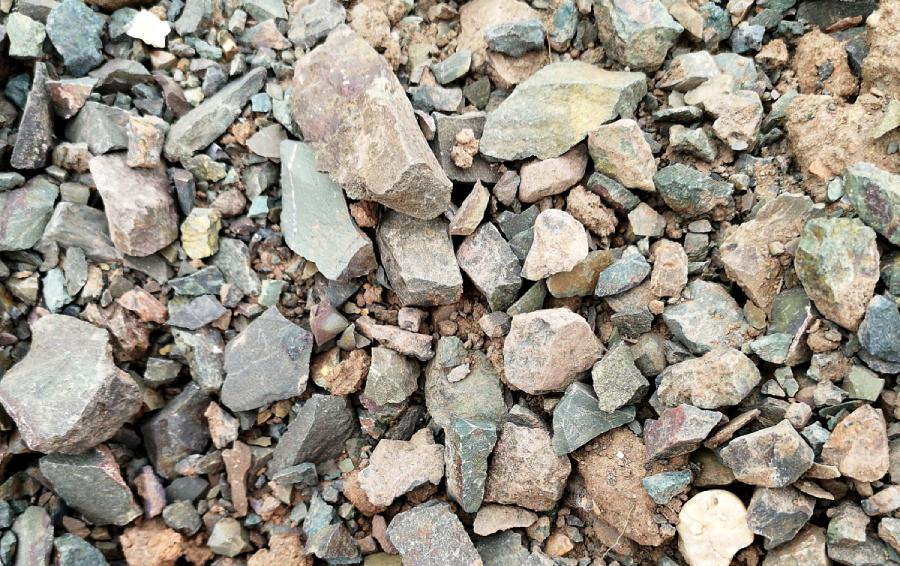
The base layer is a very important step, and the foundation of a gravel driveway and therefore should be done correctly.
The gravel sub-base should be made up of MOT Type 1 hardcore which means it’s crushed concrete, stone or hardcore that’s been screened so that all fines – the bits that turn to mud when wet – are removed.
The remaining stones will then range in size from 60mm down to 20mm in diameter.
MOT Type 1 is available from our online shop here at TW Aggregates.
Here is the correct procedure:
- Add the MOT type 1 sub-base: Around 150mm deep
- Rake the sub-base
- Check the depth and level: For this you will be using a spirit level and wooden peg.
- Compact the area: Use the wacker-plate over the entire area at least twice. Before laying additional materials like tarmac, paving, or asphalt, a wacker plate is utilized to build a level and compact sub base.
You may find some dips in the area. If you do, simply add more MOT, wacker it down, and then check the levels again.
Step 6: Add A Layer Of Weed Membrane
It is important to add a layer of weed prevention membrane to gravel driveways in order to prevent weeds from growing through.
The weed membranes are easy to apply, just simply lay them over the entire surface of the compacted MOT type 1. Make sure you overlap the edges by at least 6 inches.
For gravel driveways, we recommend a heavy duty and heard wearing weed membrane such as a polypropylene.
Step 7: Add your decorative gravel
Adding decorative gravel to your driveway is a great way to add color and texture. By using a plate compactor, you’ll be able to compact the gravel into a solid base for your driveway.
Spread it evenly across the surface with a shovel or rake, then have some fun adding the rocks yourself! Whatever type of gravel you choose, make sure that it’s compactible so that it doesn’t move around once installed.
As previously mentioned, the decorative gravel will be at a depth of 50mm (5cm). As a final touch, you can wash away all of the dust and dirt using a hose.
How to clean and maintain a gravel driveway
Cleaning and maintaining a gravel driveway is important to keep it looking good and functioning properly.
Here is a step-by-step guide on how to clean and maintain a gravel driveway:
- Regularly remove debris: Use a rake or leaf blower to remove leaves, twigs, and other debris that may have accumulated on the driveway. This will help to prevent the buildup of mold and mildew, as well as prevent the growth of weeds.
- Remove stains: If there are any stains on the driveway, such as oil or rust stains, use a pressure washer or a cleaning solution specifically designed for removing stains on gravel driveways. Be sure to follow the manufacturer’s instructions and test the cleaning solution on a small, inconspicuous area before using it on the entire driveway.
- Check for erosion: Periodically check for erosion or washouts, especially after heavy rains or snow melts. If you notice any areas where the gravel has washed away, fill them in with additional gravel.
- Re-grade and re-compact: Every few years, re-grade and re-compact the gravel to ensure that it is level and properly drained. This will help to prevent the formation of puddles or washouts and will also help to keep the gravel looking neat and tidy.
Frequently Asked Questions
What depth should gravel be for driveway?
It’s recommended that the layer of gravel should be at least 50mm (5cm).
Do you need a membrane under a gravel driveway?
A weed membrane placed between the sub-base and top layer of gravel is highly recommended to prevent the growth of weeds which means less maintenance for yourself.
How do I keep my gravel from moving?
Using plastic permeable pavers act like borders and are a highly effective and low-maintenance way of preventing gravel from moving.
How To Lay And Maintain A Gravel Driveway Conclusion
A gravel driveway is a great option for those looking for a low-maintenance option. With some basic care, a gravel driveway can last for years.
Follow the steps in this guide to get started on your own gravel driveway. Be sure to clean and maintain your driveway regularly to keep it looking its best.
Have you successfully created a gravel driveway? Let us know your experience plus any additional tips you may have in the comments section below.